7 Back to School Traditions to Ease First-Day Jitters

first day jitters

As the school year approaches, excitement and anxiety can overwhelm parents and children. To help ease the back-to-school scaries and first-day jitters, start some special traditions that will motivate your kids for a fresh start and build lasting memories. These fun activities will make the return to school a positive experience and help alleviate school worries.

Start a New Back-to-School Tradition:

1. Super Star Shopping Date

Remember the thrill of picking out new school clothes when you were a kid? Maybe you have a new backpack, lunchbox, or some fresh kicks.  No matter how much or how little was on the shopping list or what’s on your list for your own kids, everyone loves starting the year with something new.

  • Take advantage of pre-fall sales and hit the stores with your child. Arrange to send siblings on a playdate or hire a sitter to take over while you two are on a date.
  • Stock up on school supplies, gear, and clothes for the new year.
  • Keep budgets in check by assessing your child’s closets and drawers and deciding what’s needed. 
  • Make shopping a fun event by including a stop for lunch.  Use this time with your child to discuss the summer’s highlights, plans, and goals for the new year.

2. Meet a New Teacher and Host a New Friend

For a child, walking into a new classroom can be a scary thing. Seeing a familiar face in the room always makes it more accessible.

  • Take advantage of opportunities to meet the new teacher and visit the classroom to build familiarity and calm first-day anxieties. 
  • If you have a class roster, schedule a playdate with a classmate in the same class to make the transition smoother.
  • Make it an annual project to find a new or long-lost friend to meet up with after orientation day. This can significantly reduce the school jitters associated with the first day.

3. Tweak Your Routine and Refresh Your Homework Station or Quiet Time Spot

Being organized feels fantastic, gives everyone in the family a sense of control and preparedness, and reduces back to-school scaries.

  • Hold a family meeting to discuss what could be improved from last year and to share the school routine once school starts.
  • Refresh supplies for homework and organize them in a location that’s easy for kids to access.
  • This is the time to roll out new calendars, introduce new sitters, and ensure kids know what to expect. Many free printables will help you organize expectations. Consider chore charts, weekly planners, or lunchbox planners you can create with your child. Even simple This is Our Morning Routine and This is Our After-School Routine printable charts to help kids stay focused.
  • For younger kids, perk up the quiet time area by adding a few new books or making the space more inviting.

Related: 15 Hilarious First Day of School Memes

back to school scaries

4. Share a Story and a Craft

Get kids excited about school and address concerns and worries by sharing a book about starting school. Picture books can help reassure kids about starting school or going to a new school, and they also serve as catalysts for better communication at home.

5. Make the First Day Extra Special

Create a tradition of great fanfare on the first day of school! This doesn’t mean you must spend hours planning menus and creating DIY decorations. It just means adding extra TLC to the day to make it exciting and memorable. Here are some simple ideas you can do each year:

  • Get up earlier to set a pretty breakfast table with fresh flowers and a favorite breakfast you don’t typically serve on a weekday morning. 
  • Have each child pose for a first-day-of-school photo you can save in a special photo album. Take it up a notch by having your child hold a small sign or chalkboard marked with the date and a personal note.
  • Pack a special lunchbox treat with a note reminding the recipient that you are thinking of them all day.
  • Pick up a special after-school snack, such as these Chocolate Coconut Graham Crackers, which take good ole graham crackers to a new level. Take time out of your day to sit with your child after they get off the school bus to hear the highlights of the big day.

6. First Day Celebration Dinner

Celebrate the successful return to school with a special dinner. This school night tradition can help ease the first-day jitters and provide something for kids to look forward to after their first day.

  • Let your child pick their favorite meal for dinner.
  • Use the time to discuss the highlights and any challenges of the first day.
  • Consider a fun dessert or a family movie night to end the day on a high note.

7. Plan a Back-to-School Family Fun Day

Plan a special family-friendly day before school starts to ease the transition from summer to the new school season.

  • Choose a fun activity that the whole family enjoys, such as a trip to the zoo, a picnic in the park, or a day at an amusement park.
  • Use this day to relax, bond, and make positive memories before the school routine kicks in.
  • This tradition can help reduce anxiety levels and create a sense of excitement for the upcoming school year.

By incorporating these traditions, you can help reduce back-to-school scaries and first-day jitters and make returning to school a positive experience for the whole family.

One more tradition to start (just for mom and dad): The occasional night out! Find a trusted date night babysitter at UrbanSitter.

Related: 6 Ways to Help Your Child Adjust to Preschool

10 Easy Spring Break Staycation Ideas for Busy Families

boy scootering in the spring time
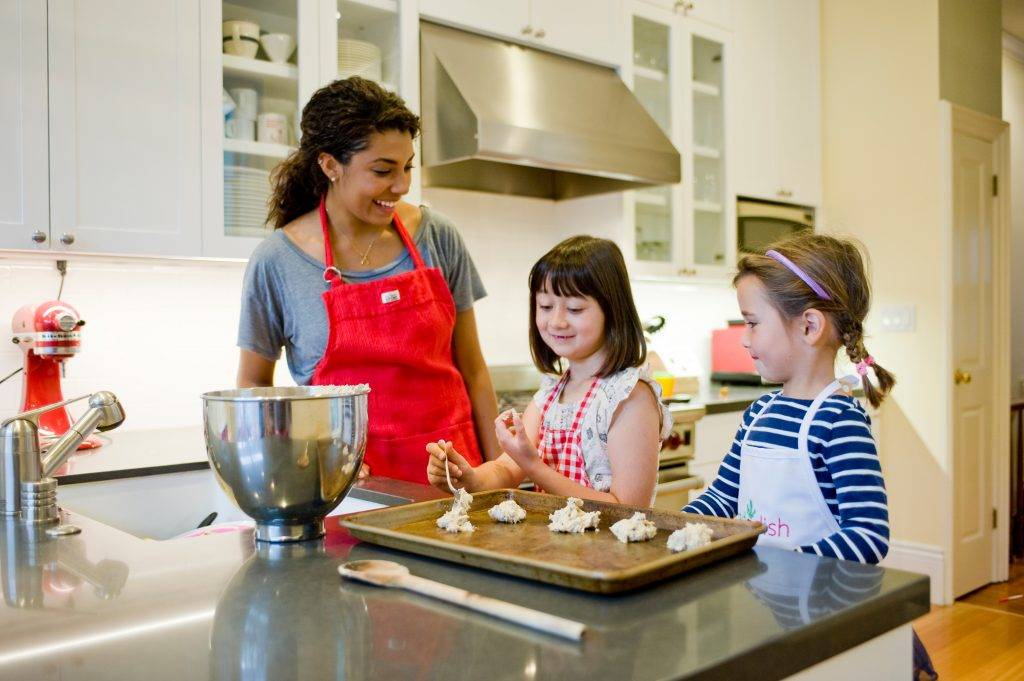
kids baking cookies with sitter

Spring break is coming. And if you’re staying home this year, you’re not alone.

With travel costs up and schedules packed, more families are choosing staycations. The good news? You don’t need a big trip to make the week feel special.

Here are simple, low-prep ideas that keep kids happy—and give you a little breathing room too.

  1. Have a backyard picnic

    No park? No problem. Lay out a blanket, pack easy snacks, and let your kids help choose the menu.

    If the weather does not cooperate, move the picnic indoors. A living room picnic still feels fun and different.

    Prep: Low
    Parent perk: Keeps kids busy for a while

  2. Plan a DIY movie day

    Turn your home into a mini movie theater. Let your kids pick the movie, grab blankets, and make popcorn together.

    You can make it extra fun with homemade tickets and favorite snacks.

    Prep: Low
    Parent perk: Built-in quiet time

  3. Go on a neighborhood adventure walk

    You do not have to go far to make the day feel new. Take a walk and explore like tourists.

    Try a simple scavenger hunt or let kids lead the way.

    Prep: None
    Parent perk: Gets everyone out of the house

  4. Try a simple baking day

    Skip anything complicated. Cookies, brownies, or boxed mixes are perfect.

    The goal is fun, not perfection.

    Prep: Low
    Parent perk: Activity and snack in one

  5. Set up a craft hour

    Pick one easy project. Painting, sticker books, or DIY cards all work well.

    Keep supplies simple to avoid a big cleanup.

    Prep: Low
    Parent perk: Focused play time

  6. Have a “yes day” (with limits)

    Pick a few fun things kids can say yes to. Ice cream before dinner or extra screen time.

    Set clear boundaries ahead of time to keep it manageable.

    Prep: None
    Parent perk: Fewer negotiations

  7. Visit the library or bookstore

    A quick outing can reset the day. Let kids pick new books to bring home.

    Build in reading time later for a calm activity.

    Prep: Low
    Parent perk: Quiet time later

  8. Plan a mini water day

    If the weather is warm, bring out sprinklers, buckets, or water toys.

    No pool needed to have fun.

    Prep: Low
    Parent perk: Burns energy fast

  9. Do a playdate swap

    Team up with another family. You host one day, they host another.

    Kids get social time, and you get a break.

    Prep: Medium
    Parent perk: Real time to focus or rest

  10. Book a sitter for a few hours

    Spring break is not always a break for parents.

    A few hours of child care can help you reset, catch up, or relax.

    Prep: Very low
    Parent perk: Everything

The takeaway

You don’t need a packed itinerary to make spring break memorable.

A few simple activities can go a long way. And getting a little help along the way? That can make all the difference.

Find trusted sitters near you and take back a few hours this week.

Looking for a babysitter or nanny?

Join UrbanSitter to find your perfect match!

5 Reasons to Make Music with Your Family This Holiday Season

Baby class

At this time of year, music often plays a bigger role in many people’s lives than it does at other times. There are end-of-year school concerts, choir performances, seasonal community events, holiday hits playing on the radio. The good news is, they all offer abundant opportunities to take advantage of the physical and emotional benefits of music. And they can be a springboard to all of us playing and making music throughout the entire year.

Below are five reasons you should be making music with your family this holiday, or any, season:

1. Music-making is beneficial to development. Music stimulates social, physical, cognitive, and emotional development and promotes language and concentration skills, confidence, and self-esteem. During the early childhood years, active engagement with music promotes brain development and naturally supports growth essential to life and learning, as well as increasing the bond between children and their caregivers.

It’s easy to get started making music with children during the holidays: Sing your favorite carols in the car, dance to holiday songs, take children to a holiday concert or musical. A 2014 Harris Poll commissioned by Music Together revealed that only a low 17 percent of parents sing to their child daily. But music development is similar to language development. Imagine if you only talked to your child once a day! We teach children language by continuously talking and reading to them. Similarly, the best thing parents can do to support musical growth is to sing and dance with their children, as often as possible. And what better time of year to bring more music into your child’s life than the holidays, when music is in abundance?

2. Music helps us create and recall powerful memories. Music can spark the recall of past experiences. It helps the past “come alive,” giving us access to deep feelings as we remember an event that once happened to us. Singing while you decorate the tree, at a holiday party, or at a religious celebration can help form memories and bonds with extended family and friends that will be recalled by your kids for many years to come.

3. Music relieves stress. The holidays, while joyful, can also be stressful. Singing can actually relieve that. Studies show that singing has the ability to slow our pulse and heart rate, lower our blood pressure, and decrease the levels of stress hormone in our bodies. Making music can also result in increased levels of dopamine, a neurotransmitter that stimulates the brain’s reward system. Play music in the car while navigating the mall parking lot or sing along to a holiday recording while getting ready for company. It will help you stay calm and, most importantly, model for your children a healthy way to deal with the stress of everyday life.

4. Music connects us. The holidays can be lonely for some people. Singing, especially in groups, can relieve this loneliness by connecting us to others in ways that no other activity can. Recent research indicates that music making as a shared experience can activate and synchronize similar neural connections in all those participating. This synchronization can result in feelings of empathy and shared intention that can promote positive social interaction and bonding. When you sing with others, everyone benefits.

5. Singing is intergenerational. Music is an ageless way to connect with older relatives and create ties between youngest and oldest family members. Plus, music supports the aging processes. In later years, participating in music activities helps keep the brain active and engaged and supports us physically, socially, and emotionally. Sharing memories of holiday music-making from their past and teaching those songs to future generations can be joyous for both the elderly storytellers and the family members listening, forming new, pleasurable memories.

By Susan Darrow, CEO of Music Together

Susan Darrow is the CEO of Music Together, an internationally recognized, developmentally appropriate early childhood music and movement program for children birth through age seven. 

Photographs courtesy of Music Together

Time Saving Tips for Your Favorite Holiday Traditions

We recently surveyed parents and most rank “decorating the tree” as their number one holiday tradition. While others rate visiting Santa, watching holiday movies and building a gingerbread house among their holiday must-dos. How is a busy parent to fit it all into a scant few weeks of holiday time? Take a look at these time-saving tips for planning, organizing and enjoying favorite family holiday traditions.

How to Save Time On Your Favorite Holiday Traditions

1. Decorating the Tree (and the house)

  • No more scrambling to find the time and choose a tree – pre-order from a local nursery, church or school selling Christmas trees. You’ll have the perfect tree, with your specifications, waiting for your pickup at a pre-arranged date and time. Some sellers will even deliver it to your doorstop.
  • Consider an artificial tree. While there are those who couldn’t fathom the thought of foregoing the real thing, there are plenty of converts who insist on a faux tree for many reasons, including the ease and speed of setting it up.
  • Determine how you want your decorated tree to look, whether it be a color scheme, a feel (old-fashioned or modern), or make a commitment to homey, handmade decorations. Having a look in mind will keep you from buying loads of unnecessary ornaments or stressing over how to decorate it.
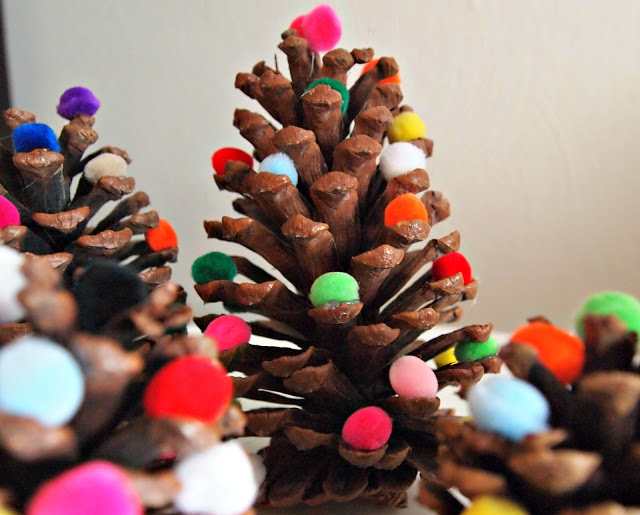
  • Spend a few minutes on Pinterest to find kids crafts that will entertain your kids and serve as decorations. A few of our favorite finds, include:Pinecone Tree via little black door
via little black door

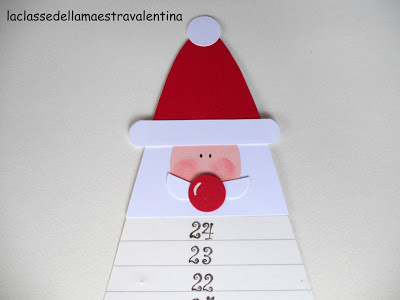
Beard Cutting Countdown Calendar via La Classe della Maestra Valentina

via La classe della maestra Valentina

Snowflake Ornament via Red Ted Art 

via Red Ted Art
via Red Ted Art
  • Rely on Mother Nature to help decorate the rest of your house, too:
    •  When you’re picking up your tree, buy an evergreen wreath for the front door and pick up some boughs or even just scrap cuttings to decorate the mantel, top an entryway table or tie to the banister.
    • Gather a few winter branches or sprigs of holly to plop into vases and jars for instant tabletop décor.
    • Have a fireplace? Why not stack a neat pile of chopped firewood indoors for a woodsy, wintery atmosphere. It’s nice to know a warm fire is at your ready.
  • Invest in sturdy, reusable containers for organizing your holiday decorations. Stores such as Target and the Container Store offer bins and boxes designed for strings of lights, fragile ornaments and wreaths. While it’s tough to add another expense to the already-stretched holiday budget, think of these organizers as a worthy investment. They will save you time and expense, keeping your decorations safe and making it faster and easier to decorate next year.

2. Visiting Santa

Do your homework and plan ahead to avoid wasting your day away in an unbearably long line for Santa:

  • Veteran, Santa visiting parents advise that you can find the shortest lines at a store when the venue first opens, during weekdays and early on in the season.
  • Lesser known or less popular locations for visiting St. Nick are often far less crowded than places like the Herald Square Macy’s in NYC. If you can’t give up the thought of seeing the Big Guy in the Big Apple, consider Santaland Express at Macy’s. Reservations are available up to 48 hours in advance. You can reserve using the Macy’s app on your smartphone (iPhone app/Android app) or in person at Macy’s Herald Square at kiosks located in the Cellar and 9th Floor.
  • Accept that no matter where you go, you’re most likely in for a long line. Be prepared with snacks and small toys to keep the kids entertained while they wait.
  • Consider sneaking a peek instead of sitting on his lap. Many places offering visits with Santa will allow you to get up close to the big guy without waiting in line if you’re willing to just sneak a peek and maybe get and give a little wave, instead of having a seat on his lap.

3. Watching Holiday Movies

Disney’s Frozen is the new holiday movie of the season, but it’s hardly your only option. Opt for watching favorites at home by hosting a fun movie night or leaving a movie with a babysitter for a special treat to enjoy while you’re away. Thanks to Let’s Lasso the Moon for this excellent round-up of favorite holiday movies for kids of all ages.

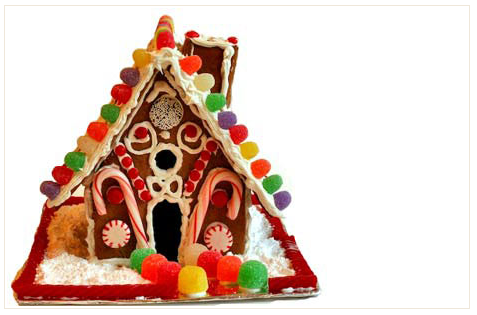
4. Building a Gingerbread House

via Simply Recipes
via Simply Recipes

If you’ve done this before, you know that assembling these tiny, candy-bejeweled creations is far more work than one would expect! Make it easier, faster and tons more fun with these helpful tips:

  • Leave the assembling to the experts. Order pre-baked, pre-assembled gingerbread houses to avoid the painstaking task of building a house that stands and stays standing. You can order through a local bakery or online.
  • If you insist on building your own (or forget to order a pre-assembled one!), opt for using graham crackers instead of gingerbread. It’s far easier.
  • Take advantage of free, downloadable templates for creating a house out of rolled dough.
  • To hold your house together at the seams and keep the candy from falling off of it, use Royal Icing. Here’s the recipe from Simply Recipes.
  • Shop in advance for kid-friendly decorating tools and materials. Keep it simple by using these time-tested favorites: gum drops, candy candy, licorice strings, small lollipops, and peppermints. Buy more than you think you’ll need, since your builders will likely devour much of it before it ever makes its way to the gingerbread house! If you have tiny tots involved, remember that candy can be a dangerous choking hazard and small pieces should be avoided if little hands are involved.

With a little advance planning and expectation setting, these popular holiday traditions can be a wonderful way to enjoy the holidays with your children. By keeping it simple and relying on the helpful tips shared above, you’ll be able to focus on the fun and keep the stress and expense at bay.

UrbanSitter.com is always ready to meet your childcare needs – any season of the year.

How to inject Family Fun into a Summer of Work & Camp

four out of five of the miller & friedlander kids playing cards

Summertime, which we’d so love to think of as carefree fun-time, can too often be an extended period of regret for those working moms and dads who can take few vacation days to spend with the family. But do the post-school hot months necessarily have to translate into drudgery for kids, and a guilt-fest for parents?

Not in the slightest, say Lisa Friedlander and Ilene Miller, DC-area moms who are the founders of class- and camp-booking site Activity Rocket, and between them, parents to five kids. Fun for all might just start with an attitude adjustment: one that enables you to see the summer camp you might inevitably have to enroll your kids in as something exciting and enriching rather than an unfortunately necessity.

According to Miller—mom to sons Mark, age 13, and Max, age 10—“The beauty of summer is it gives kids the opportunity to do something new, that they don’t get exposed to in school, like Claymation camp, or rock band camp, for example,” she says. “But in our area, there are also kids who spend the summer at the community pool, taking swim lessons and being pool bums.” Either way, she says, when kids are happy and tired at the end of the day, that goes a long way toward minimizing parental guilt. Which makes for happier family time all around, when you do manage to wedge some in.

This doesn’t have to be an elaborate or expensive prospect, Miller maintains. “I really value the longer days in the summertime, when the kids can stay up later,” she says. “My husband, Craig, and I try to spend a lot of unstructured family time in the evenings with them. We can barbecue outside, have family tournaments that can last the whole weekend—the kids are huge card sharks. We just get back to basics.”

The basics certainly extend to weekends, when camp and work are finished for the week. Says Miller, “We’re so lucky that in the DC area, we have hiking trails, and a lot of rivers that are accessible to us within 10 minutes, that we can kayak on with the kids.” She’s also a big proponent of finding community events, most of which are free. “In the Potomac area, we’ve got all the Smithsonian museums, book fairs, concerts in the parks, festivals—often they have no admission and the only money we’ll spend is on food once we get there.”

Friedlander and family spend weekends at a river house on the Chesapeake (if you don’t have your own, make friends with someone who does, she jokes!). “It’s very much no screens, no electronics, a lot of time spent tubing and water skiing and playing beach tennis and fishing and crabbing the old-fashioned way, with a piece of chicken tied to a rope.” With her oldest child, Jaclyn, age 14, set to head off to sleepaway camp for the entire summer, she says she’s also relishing the opportunity to spend a bit of quality time with Cole, age 11, and Camryn, age 9. As well as taking her own breather from the usual grind. “Those eight weeks of summer go by so fast, it’s important to give yourself a little bit of a break,” she says. “Whether that means not cooking every night, or not cleaning up every day, or just enjoying a walk around the neighborhood—things you wouldn’t do on a regular basis. Just slow down and enjoy the pace of summer.”

Also critical for Miller, “I need time with my husband, too, whether or not the kids are away. We’ll take a picnic and a bottle of wine somewhere, and focus on our time alone.”

But absolutely the biggest opportunity afforded even to working parents and camp kids in the summer: the fabulousness of being outside. “We get really active,” says Friedlander. “We have swimming races, and we bought a Kanjam—literally a Frisbee you throw into a slot, a team game that’s tons of fun; we all love it.”

Says Miller, “Friends helped us build a Gaga pit, which is Israeli dodge ball in a confined space. On weekends we’ll have friends over and sometimes it’s just adults in there. It’s a great way to be outside, get competitive, and work out a little aggression.” Let the summer games begin!

5 Ways to Teach Kids the Value of Volunteering

Cooking in kitchen

By Mark Palm

Parents today face an uphill battle when it comes to getting their kids interested in doing anything besides burying their faces in the screen of a phone or tablet. They might put their devices down to eat, play sports, and sleep, but otherwise engaging them in the physical world around them can be a serious challenge. Especially when it comes to generating interest in volunteering and humanitarian work.

Most parents don’t have the opportunity to do what I did; 10 years ago, my wife and I moved with our three young children to Papua, New Guinea, so I could establish a local service organization, Samaritan Aviation, through which I fly emergency rescue missions into remote jungle villages, picking up injured and sick people who would otherwise never receive professional medical care, and transporting them to the only hospital in the region. My wife and children have worked by my side over the years, helping to care for strangers in desperate times of need.

But to inspire yourself and your kids to help others, you don’t have to look any further than your own neighborhood. Here are some tips for getting the whole family involved in volunteering—a great way to start off the New Year!

1. Set an example. It’s hard to expect your children to want to give up their free time to help others if you are not doing the same. Talk about previous experiences you’ve had in helping others, even if it was a long time ago, then take steps to get yourself involved, even if it’s just volunteering to collect cans for a food drive at your office.

2. Incorporate their interests. An easy way to spark a child’s interest in volunteering is to find a charity that involves a sport or hobby they already enjoy. For example, if your child is artistic you could suggest ways for them to earn money to purchase art supplies for less fortunate children. Or, if your child loves animals, get her involved with a local rescue organization that needs volunteers to feed the cats, for example. The possibilities are endless.

3. Get friends involved. Talk to the parents of your children’s friends and find out if they would be okay with you bringing their children along on a volunteer experience as well. Kids can bond with their friends while helping others and having a friend along can help them to be bolder when trying new things—and to have a lot more fun while they are at it.

4. Provide a variety of experiences. Volunteer as a family at a local food bank, help out building a house with Habitat for Humanity, walk dogs at a local animal shelter, or help clean up at the local zoo. By introducing your kids to a variety of volunteer experiences, they can learn which appeals to them the most and find one they will be willing to contribute to long-term.

5. Let your kids take the lead. Help your kids organize a lemonade stand, bake sale, or car wash in your neighborhood to raise money for a charity of their choice. Around the holidays, give them supplies to decorate a wagon and have them go door-to-door, while you supervise, to collect coats and toys that can be donated to clothing and gift drives. Take them with you to drop of the donations, so they can experience the gratitude of the organization first hand.

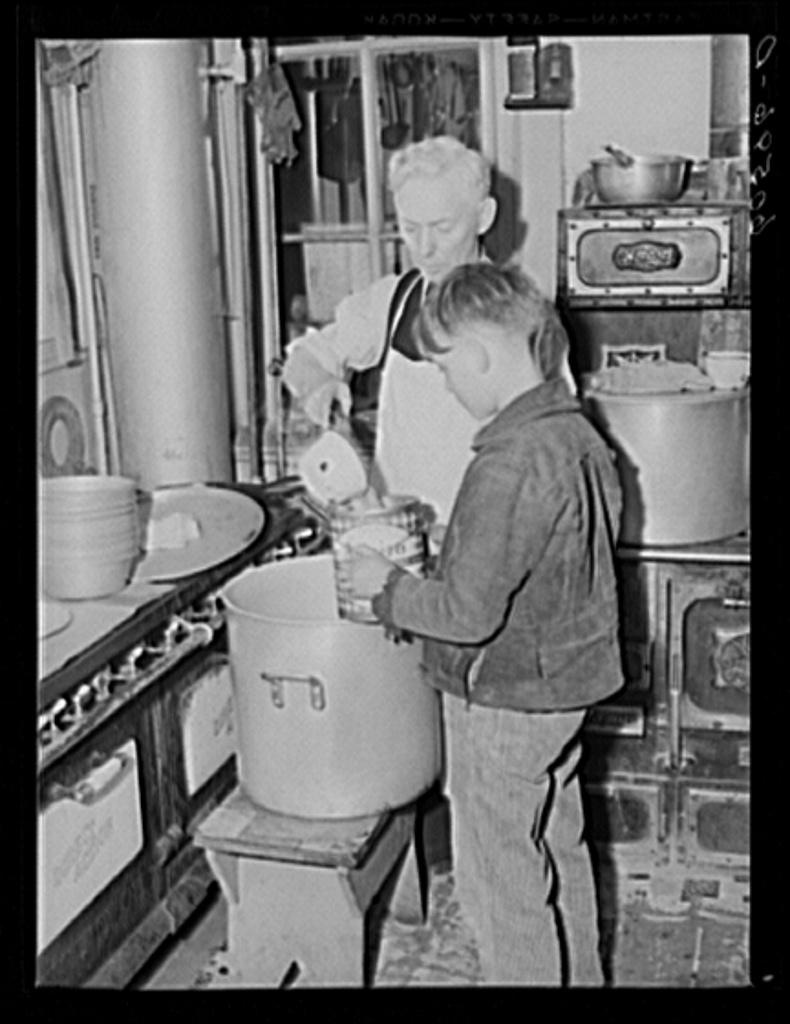
Photograph by John Vachon, via Library of Congress Prints & Photographs Division FSA/OWI Collection, LC-USF34- 060596-D

7 Picture Books for Kids Who Want to Learn Something New

By Lela Nargi

Every now and then, a kid stumbles upon some new information that delights him almost beyond reason. And so begins the pursuit to discover everything he possibly can about his latest passion—whether it’s machines, or artwork, or the stars, or an unfamiliar language. And although nothing can take the place of firsthand experience on a building site, or in a museum, or lying out beneath the night sky, or visiting another country, books come in a very close second.

Here we’ve rounded up seven volumes that explore themes that are sure to inspire kids who are fascinated by so much of what they see and feel and hear. Reading them along with your children, we challenge you not to learn something, too!

How Machines Work by David Macaulay.  Kids who are enthralled with machinery know they’re in for something compelling just by looking at the cover of Macaulay’s latest opus, with its moving toothed-gear mechanism that’s operated by a determined-looking sloth. The premise of the whole book hinges on an escape from a zoo that’s orchestrated by two of its unhappy residents, which sets up the introduction of all sorts of simple machines (and shown to delightful effect with pop-ups and foldouts) they hope will get the job done…eventually. Pulleys, levers, screws, wheels—it’s all in here, and then some (ages 7-10, $20).


Round is a Tortilla and Green is a Chile Pepper by Roseanne Greenfield Thong & John Parra. A welcome twist on the same-old shape and color books, these two rhyming texts offer a primer on rectangles and stars, purple and yellow—as well as introducing things that come in those shapes and hues that are common in Spanish speaking cultures, and in many cases, offering the words in Spanish, too. Thoughtful and full of heart, and centered around family and friendship, these books are certain to make children curious about cultures previously unknown to them, opening up whole new worlds of possibility (ages 3-5, $17 each).

Yaks Yak: Animal Word Pairs by Linda Sue Park & Jennifer Black Reinhardt. Nouns can also be verbs—an infinitely tricky concept to explain aloud, but one that is thoroughly sensical when illustrated on the page—especially when those illustrations are laugh-out-loud hilarious. Word-loving kids will be inspired to bad puns and possibly naughty doings by badgers badgering, parrots parroting, and hogs hogging (ages 4-7, $17available for preorder).


I, Humanity by Jeffrey Bennet. What we know about space and the universe increases, it seems, with each passing day. This photo book backtracks to explain the history of our understanding of such concepts as a round Earth and the pattern of the planets—and how it evolved through science. This is the second in the “Story Time from Space” series—log on to watch videos of astronauts reading to children from the International Space Station (ages 7-9, $15available for preorder).


Bowls of Happiness: Treasures from China and the Forbidden City by Brian Tse & Alice Mak. Every aspect of ancient Chinese art is laden with symbolism—even when that art is something as simple and seemingly utilitarian as a porcelain bowl. But colors and images all have meaning behind their beauty and this small and decidedly odd tome from the China Institute breaks it all down in a way that will appeal to visual-minded children, who after exploring its pages, will surely go on to look for greater meaning among the objects in your own drawers and cupboards (ages 5-8, $13).

Do Unto Animals by Tracey Stewart & Lisel Shlock. The more likely title for this book is “Do Unto Dogs and Cats,” since these are the house pets on which it mainly focuses (although some attention is paid to backyard and farm animals as well). But any child who’s a lover of creatures great and small will delight in the highly expressive illustrations, and thrill to knowledge that lets her become an expert in how to make animals supremely happy. Since this book is written for adults, it’s offered here as read-aloud material—all the better, since you and your tots can enjoy learning together (all ages, $20).

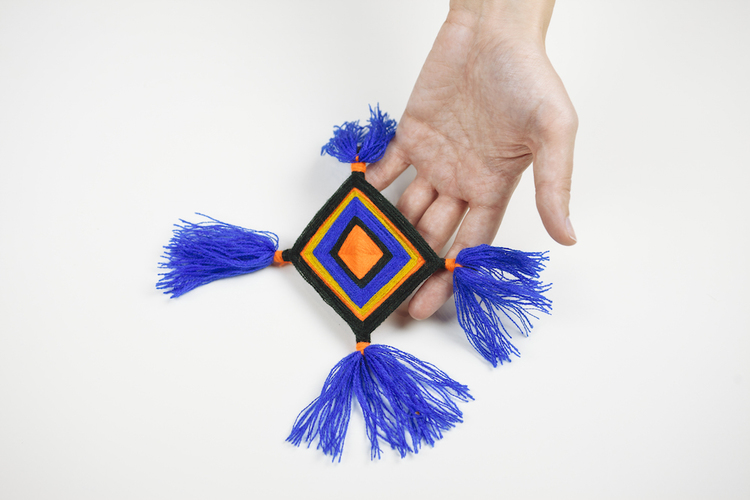
Crafty Kids: How to Make a Woven Yarn God’s Eye

Woven Yarn God's Eye

The ojo de Dios (Spanish for “eye of God”) is a folk toy with origins among the Huichol Indians of the Sierra Madre. The four points of the crossed sticks are said to represent the elements of earth, air, water, and fire; the finished eye, replete with alternating stripes of yarn, is meant to offer health, fortune, and long life.

Extremely simple to put together, this bright, festive craft from our friends at Crafting Community forms the base for a great crib mobile—something for an older sibling to make for the new baby in the house. It’s also a super entry point for talking to kids about American history—and for parents to learn a little something, too.

What you’ll need:

  • Two sticks of equal length
  • Brightly colored yarn in 3 or 4 color
  • Scissors

1. Grab two sticks and tie them together in the middle with the end of your ball of yarn. Twist the sticks to form a ‘+’.


2. Wrapping in a clockwise direction, wind your yarn over and around 1, then 2, then 3, then 4. (See image at right for technique).

3. To switch up your colors, simply snip the yarn you’re working with and tie on a new color. Trim the excess and continue wrapping.

4. To finish your god’s eye, top knot your yarn around your final stick twice. Trim the excess yarn and you’re done!

To add tassels:

1. Loop yarn around your fingers 15x

2. Thread another piece of yarn through your loop and make a knot with long tails. Cut the end of your yarn loop to create fringe.

3. Tie your tassel on, knotting it to your gods eye on the back side.

4. Wrap one side of the tails around the arm of your gods eye several times, then knot it to the other tail to finish.

How to Have Actual Fun on the Family Road Trip

Cars stuck in traffic

By Meghan Khaitan,  MyBuckleMate.com

Pretty much every family takes a road trip by car with their kids during the  holidays. And whether those kids are toddlers or teens, the actual trip itself  can be a wonderful bonding and learning experience for the entire family.  With a little forethought and preparation, you can sidestep the dreaded travel  fiascos and keep everyone content through through those stretches of  highway!

1. Make it a Fun History Lesson. Build some excitement around your trip by getting together as a family a  couple of weeks beforehand to plan your road trip path with an old-school paper map. Talk to kids about  the different cities and states you’ll be driving through. Then jump online together and do a little research  on a few that look interesting. Learn about their history and pick some prime sightseeing destinations.  This opens your trip into a journey of exploration—all the more inspiring if you give kids a disposable  camera they can later use to make a trip scrapbook.

2. Expect the Unexpected. Keeping a first-aid kit and tools for a flat tire in your car is a no-brainer, but also be sure to bring along items like a flashlight, garbage bags, paper towels, big pack of wet wipes, and cell phone car charger. If you have young children that are new to potty training, it’s a smart idea to also pack a portable plastic potty in case your little one can’t wait for the next rest stop. Kids also tend to rest better with a few items from home, like a stuffed animal and blanket. You can also pick up an inexpensive travel pillow to make car-sleeping more comfortable.

3. Pack Healthy Snacks & Drinks. Truck stops, gas stations and fast food joints are okay in a pinch, but if you bring a cooler filled with your own healthy foods, you will save time and money on the road. Think granola bars, sandwiches, fruit and nuts, yogurt tubes, pretzels, cheese and crackers, baby carrots, packs of sliced apples, cereal bars, and any of the (non-sticky) foods your family usually likes to nosh on.

4. Create a Road Trip Adventure. Instead of just looking at the trip in terms of its end destination, make the whole trip an adventure. This will give the kids something to look forward to and break up the travel time. Take a family selfie in each city or state in front of a sign with its name or something it’s famous for. Also look for rest stops with playgrounds where kids that can burn off some pent-up energy.

5. Make Each Child a Travel Activity Kit. To help pass the time, buy inexpensive totes and pack them with things like new crayons, coloring books, story books, white boards, magnetic travel and card games, and other small games or toys, like Matchbox Cars and small dolls. Anything that’s inexpensive and new to your kids is sure to please—both of you.

6. Check Out At Your Local Library. Before you embark,  head to your local library and check out DVDs, books on CD, and chapter book collections for your older reader. They’re free! You’ll have new movies to watch that your kids haven’t seen yet, and when quiet time becomes mandatory for saving your sanity, put in a book on CD for the entire family to enjoy.

7. Don’t Forget the Electronics. If ever there was a perfect time to bust out the electronics, the  car trip is it. Load up iPads and Kindles with new apps, books, and movies, making sure you put different apps on each child’s device so they can swap with for more options. And whatever you do, don’t forget the headphones! A few of my family-favorite apps: Waze (the superhero of navigation apps for parents), RoadsideAmerica (find the weird and wonderful across the U.S.), Tales2Go.com (the Netflix of audio books), MadLibs (old school road trip fun meets the digital age), and VisitedStates (kids can mark the states they’ve been to and upload photos they’ve taken).

8. Pack Classic Travel Games. Electronic games are fun, but don’t forget about the old school travel games to help fight boredom on the road: I Spy, 20 Questions, The Alphabet Game (work together as a family to find things along the road that start with each letter of the alphabet), Who Am I? (take turns trying to guess the famous person in history or pop culture), and the good old License Plate Game.

9. Pick Mile Marker Treats. If you’re okay with a little bribery, plot a few places on the map for the kids to get special surprise treats. Among other things, this will encourage them to learn to read a map. The treat can be something small, like sweets or a little something they can play with in the car. The only requirement to earning them is that kids be kind, get along with each other, and be patient for the trip. You might be handing out fewer of these than you’d feared!

10. Consider an Overnight Stay. If the trip is long enough, consider an overnight stay halfway through at an affordable hotel with a pool. If you book the stay right before you leave or on the way, you’ll find the best deals.

Photograph by Nabeel Syed, via Unsplash

10 Family Activities for a Sweet Summer

For most of us, summer provides a less restrictive schedule with a little more time to spare. There are no school bells to beat, carpools to shuffle, homework to deal with or early bedtimes to make. Take advantage of some of the extra time and freedom, even if it’s just having a longer evening thanks to Daylight Savings Time, by enjoying these top 10 summer activities to do with your family. You’ll be glad you did!

blog1

  1. Attend a baseball game.
    Whether it’s a MLB or a little league game, nothing says summer quite like rooting for the home team at a ballgame. Grab a few hot dogs for the kids and find a spot on the bleachers… even if your little ones are too young to last more than a few innings.
  2. Splash with friends at a pool party.
    If you don’t have a friend’s pool to crash, find a local public pool or private swim club and arrange to have a few friends and their kids gather for a fun afternoon in the water.
  3. Throw a BBQ.
    You don’t need a backyard to host an outdoor summer BBQ. A park with accessible grills or a spot for you to bring your own will work just as well. Check out our Pinterest board, Party Food for fun outdoor dishes to share.
  4. See the stars.
    Loosen the reigns and let your kids stay up late enough to see the night sky. Pack a blanket, load up the car and find a spot dark enough to see for miles.
  5. Get away without the kids!
    No matter how much you cherish the extra hours with your kids during summer vacation, everyone needs a break from each other. Log onto UrbanSitter to find a sitter who will stay the night, or better yet the weekend. You don’t need to spend a fortune or go far to rejuvenate and recharge.
  6. Enjoy an outdoor concert.
    Even families with infants can manage and appreciate a concert in the park. Kids will love camping out on a blanket and listening to the music. Just be sure to bring snacks.
  7. Get wet!
    Come summer, you gotta hit the water. Find a local spot to rent a paddle boat, tube down a lazy river or get drenched at a water or kids splash park.
  8. Go camping.
    Our post last summer on camping hot spots was a reader favorite for good reason. Camping is perfect for families! Check out our post for super family-friendly sites, coast to coast. If packing up the car and hauling your kids to the woods seems like a daunting task, pitch a tent in the backyard for a slumber party under the stars.
  9. Get together with school friends.
    Back to school transitions will be easier if there are familiar faces to share the new routine. Take the time now to schedule play dates with school friends and host an afternoon at your place for your child to meet new friends who will be together in the fall.
  10. Have a picnic. A picnic is the perfect way to enjoy a relaxing afternoon with your family, and knock out dinner, too. We have just the menu for you to do it right and with little effort.

Before the hectic routine of the school year starts again, take the time to enjoy the season with your family. Sharing these fun, memorable summertime activities helps to build happy memories that will stay with you and your kids a lifetime.

 What’s on your summer to-do list?