What is the Definition of a Sitter?

another word for babysitter

Searching for another word for a babysitter? When it comes to the world of child care, the term “babysitter” has long been the go-to word for individuals who care for children. But what if this title doesn’t quite capture the full scope of your job responsibilities?

In this article, we’ll explore sitter definitions and alternative titles, offering a fresh perspective on how to best define your role in the child care landscape.

What is a Babysitter? The Basics

Before we explore alternative titles and another word for babysitter, let’s establish the baseline definition of a sitter. A babysitter is someone hired to provide temporary care for children without their parents or guardians. Babysitters ensure a child’s safety and well-being while engaging them in activities and providing basic care.

Types of Babysitters

Within babysitting, various types of caregivers cater to different needs and preferences. Here are some common types of babysitters:

  • Occasional Sitter: Provides childcare on an irregular or as-needed basis, often for date nights or special occasions.
  • Part-Time Nanny or Sitter: Offers childcare services for several hours per week, providing consistent care and support.
  • Full-Time Nanny: Assumes a more substantial role in the child’s daily routine, often including household responsibilities and long-term commitments.
  • Mother’s Helper: Assists parents with childcare duties while they are present, offering an extra set of hands and support.

Alternatives (if “Babysitter” Title Doesn’t Fit Your Role)

If the traditional title of “babysitter” doesn’t quite capture the essence of your childcare role, fear not! There are plenty of alternative titles that may better align with your role as a caregiver. Consider these options:

  • Childcare Specialist: A highly trained professional with expertise in providing comprehensive care and support for children of all ages.
  • Early Childhood Educator: A certified teacher fostering young children’s intellectual, social, and emotional development.
  • Youth Life Coach: An inspirational figure who guides and supports children in developing essential life skills, self-confidence, and resilience.
  • Tutor or Academic Coach: A dedicated educator who provides children personalized instruction and academic support, promoting their intellectual growth and success.
  • Family Assistant: Reflects a broader role, including childcare, household management, and errands.
  • Youth Mentor: Guides and inspires children as they navigate through life’s adventures.

another word for babysitter

Tips for Choosing the Right Title

When choosing an alternative title for your professional childcare role, consider the following tips to ensure it aligns with your expertise and aspirations:

  1. Reflect on your skills and expertise: If you have a particular area of expertise, such as early childhood education or functional needs care, incorporate it into your title.
  2. Consider your target audience: Think about the type of families you want to attract as clients. Choose a title that resonates with your target audience and communicates the value you bring to their childcare needs.
  3. Emphasize professionalism: Select a title that conveys professionalism and expertise, positioning you as a trusted authority in the field of childcare.
  4. Stay authentic: While choosing a title that positions you as a professional is important, staying true to yourself is also essential. Select a title that feels authentic and reflects your personality, values, and approach to childcare.

Conclusion

As you explore alternative titles for your role as a caregiver, remember that the most important thing is to choose a title that resonates with you and accurately reflects the value you bring to the families you work with. If the traditional sitter definition doesn’t align with your responsibilities, seize the opportunity to redefine the role of a caregiver. Join the UrbanSitter community today to connect with families seeking your expertise.

Related: How to Write an Impressive Babysitter Resume

7 Babysitter Personality Types, According to the Movies

babysitting movies

Let’s explore seven quintessential babysitter personality types as depicted in beloved family movies. From the classic The Babysitters Club movie to the chaotic misadventures of The Sitter and the hilariously misguided attempts of The Incredibles babysitter, these cinematic characters showcase the full range of babysitter personality types out there. 

1. The Adventurous Sitter

babysitter adventure
via Blue-Ray

First, we have the adventurous babysitter, always ready for a thrill. Think of Sarah from “Adventures in Babysitting” (1987). When a simple babysitting gig turns into a wild babysitter adventure through the streets of Chicago, Sarah shows she’s got the guts and smarts to handle anything. If you’re seeking a sitter who can keep up with your energetic kids and turn an ordinary night into an extraordinary adventure, this is the personality type for you. 

2. The Magical Sitter

Every child dreams of having a babysitter like Mrs. Doubtfire (played by Robin Williams) from “Mrs. Doubtfire” (1993). With her whimsical charm and seemingly magical abilities, Mrs. Doubtfire transforms the mundane into the extraordinary, leaving a lasting impression on children and adults alike. If you’re looking for a sitter who can sprinkle a little magic into your child’s life, consider booking one with the enchanting charm of Mrs. Doubtfire.

Mrs. Doubtfire
via The Guardian

3. The Responsible Sitter

For parents who value reliability and trustworthiness above all else, consider Mary Poppins from “Mary Poppins” (1964). With her magical touch and impeccable sense of responsibility, Mary Poppins ensures that every child under her care learns valuable lessons while having fun. From tidying up rooms to teaching manners and values, Mary Poppins exemplifies the epitome of a responsible and caring babysitter. If you seek assurance knowing your children are in capable hands, look no further than the nurturing and accountable nature of Mary Poppins.

Mary Poppins
via Disney Wiki

4. The Fun-Loving Sitter

For kids, babysitters are more than just caregivers; they’re playmates and companions. Enter Cat in the Hat from “The Cat in the Hat” (2003), the ultimate embodiment of fun and whimsy. With his mischievous antics and larger-than-life personality, the Cat in the Hat turns babysitting into a joyous adventure filled with laughter and imagination. If you want your children to have a blast while under the care of a sitter, choose one who embodies the playful spirit of the Cat in the Hat.

cat in the hat movie babysitter
via IMDb

5. The Cool Sitter

baby-sitters club books
via Screen Rant

Next, we have the cool babysitter, like Claudia from “The Babysitters Club” (1995). Claudia effortlessly connects with the kids under her care with her laid-back attitude and effortless charm. She makes babysitting feel less like a job and more like hanging out with friends, just like scenes from the baby-sitters club books. If you’re searching for a sitter who can relate to your children on their level, look for Claudia’s cool confidence.

6. The Misguided Sitter

Ever encountered a slightly misguided babysitter akin to the one from “The Incredibles” (2004)? Sure, she may have had a slip-up or two (like handing Jack-Jack to the bad guy), but she did try her best to manage before things went haywire. So, if you’re up for an incredibles babysitter adventure that might include a bit of unexpected excitement and perhaps a dash of chaos, why not give it a shot? After all, sometimes the best stories come from the unexpected twists and turns.

incredibles babysitter
via CBR

7. The Reckless Sitter

Finally, let’s talk about the one babysitter personality type you absolutely want to avoid: The Reckless Sitter, inspired by the chaos of “The Sitter” (2011). This babysitter is notorious for their irresponsible and reckless behavior, bringing more chaos than care. From questionable decision-making to wild antics, The Reckless Sitter is not the ideal choice for ensuring the safety and well-being of your children. Instead, opt for a caregiver who embodies responsibility and reliability.

the sitter
via Amazon Prime

Which babysitter personality types do you relate to the most? Which one would you pick for your next babysitter adventure? The thrill-seeker, nurturing caregiver, or fun-loving companion? Whatever you decide, be sure to avoid The Sitter and incredibles babysitter types!

Related: What should I look for in a babysitter?

Ready to find the perfect babysitter for your little ones?

Start your search on UrbanSitter today!

How to Choose the Best Nanny Cam – Top Picks for 2024

best nanny cam

Choosing the best nanny cam for your family can be a daunting task with the wide variety of options available in the market. Whether you are looking for a nanny cam with audio, a hidden nanny cam, or a wireless nanny cam, it’s important to carefully consider your family’s specific needs and preferences.

In this article, we will guide you through the process of selecting the best nanny cam for your home, providing valuable tips and product recommendations to help you make an informed decision. From understanding the different features and functionalities to finding the best match for your requirements, we will cover it all. 

Skip to nanny cam recommendations

Features to look for

When choosing the best nanny cam for your family, there are several key technical features and functionalities to keep in mind.

  • HD Video: Prioritize high-definition and color night vision for clarity.
  • Wireless: Choose for easy placement and setup without cables.
  • Remote Viewing: Ensure real-time monitoring via smartphones or computers.
  • Motion Detection: Opt for technology that alerts to movement with customizable zones.
  • Person/Noise Detection: Select cams that auto-record on detecting people or loud sounds.

Tips for choosing your nanny cam

  1. Identify Your Needs: Determine key features you need in a nanny cam, like night vision or motion detection, to streamline your choices.
  2. Research and Compare: Explore various brands and models, considering features and prices, and read reviews to find the best match.
  3. Ease of Setup: Look for nanny cams with straightforward setup instructions, especially if you’re not tech-savvy.
  4. Video Storage: Decide between local storage (microSD) and cloud storage options based on how much footage you wish to keep and your on-going budget for any cloud storage subscription costs.
  5. Privacy Considerations: Understand local laws on recording and inform household members. Place cameras thoughtfully to respect privacy.
nanny camera

Best Nanny Cams of 2024

Ready to make your pick? We’ve researched and found three options that come highly rated by review sites and are praised for their reliability, ease of use, and features.

Wyze Cam Pan v2
Wyze Cam Pan v2

1. Wyze Cam Pan v2

The Wyze Cam Pan v2 is one of the top picks among families looking for a reliable, affordable nanny cam. At around $50, this wireless nanny cam offers 360-degree coverage, clear 1080p HD video, and two-way audio, making it ideal for keeping an eye on your children and the nanny. The pan and tilt feature allows you to remotely control the camera’s view, ensuring that you never miss a moment. It also has night vision, motion tracking, and the ability to connect to Alexa and Google Assistant for voice control.

Pros: The pros of the Wyze Cam Pan v2 include its affordable price, easy setup, and the option to add a microSD card for free video storage (optional cloud storage subscription starts at $3 per month). 

Cons: As a budget pick, it lacks some of the bells and whistles of higher priced nanny cams. Some users have reported connectivity issues and a limited range of motion with the pan and tilt feature. 

Overall, the Wyze Cam Pan v2 is a great choice for those looking for a reliable and budget-friendly hidden nanny cam with audio. Its features and affordability make it a top contender in the nanny cam market.

Arlo Essential Indoor Camera

2. Arlo Essential Indoor

The Arlo Essential Indoor nanny cam is a popular choice for many families looking to keep an eye on their children and their nanny. At around $100, this wireless nanny cam offers high-definition 1080p video quality, two-way audio, siren, night vision, privacy shutter when not recording, and advanced motion detection, making it a robust option for parents seeking peace of mind.

One of the key features of the Arlo Essential Indoor nanny cam is its easy setup and installation, making it a hassle-free option for busy parents. The two-way audio allows for communication between the parent and child, while the advanced motion detection alerts the parent to any unusual activity in the home.

Pros: The pros of the Arlo Essential Indoor nanny cam include its high-quality video and audio, as well as the ability to customize alerts and notifications.

Cons: Some users have reported connectivity issues and a higher price point compared to other nanny cams on the market. Monthly subscription cost for video storage starts at $5 per month. 

Pricing for the Arlo Essential Indoor nanny cam starts at around $100, making it a mid-range option for families. Overall, the Arlo Essential Indoor nanny cam is a reliable choice for parents looking for a wireless nanny cam with audio and motion detection capabilities.

TP-Link Kasa Smart Pan & Tilt

3. TP-Link Kasa Smart Pan & Tilt

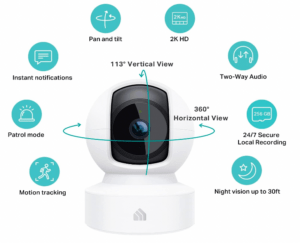
The TP-Link Kasa Smart Pan & Tilt nanny cam is a top pick from Consumer Reports, making it a trustworthy option for parents looking to keep an eye on their little ones. At around $45, this nanny cam offers a good array of features, including pan and tilt capabilities, two-way audio, monitoring zones, person alerts, alerts for loud noises, and high definition video quality. The pan and tilt function allows for a 360-degree view of the room, ensuring that no area goes unnoticed. 

Pros: The pros of the TP-Link Kasa Smart Pan & Tilt include easy setup, compatibility with voice commands (via Alexa or Google Home/Assistant), and its ability to store footage on the cloud or locally. 

Cons: Some users have different opinions on quality, sound quality, performance, and motion detection.

With its advanced features and reliability, the TP-Link Kasa Smart Pan & Tilt nanny cam is a great option for families in need of a high-quality, hidden nanny cam with audio capabilities. Though it may come with a higher price tag, its superior functionality and performance make it a worthwhile investment in the safety and security of your home and loved ones.

Frequently asked questions

When it comes to choosing a nanny cam for your home, it’s natural to have a lot of questions. Here are some frequently asked questions:

1. What is a nanny cam?

A nanny cam is a surveillance camera used to monitor the activities of a nanny in the home, providing peace of mind for parents concerned about the safety of their children.

2. Are nanny cams legal?

It is legal to make video recordings in your home for legitimate reasons like monitoring your baby or care provider. Just make sure to record in public areas and not private ones. In some states like California, it’s illegal to record audio without someone’s permission. Many nanny cams don’t record audio for this reason. If you do use one with audio and capture neglect or abuse, the recordings may not be used in court and you could face privacy law violations.

4. Are nanny cams ethical?

Personal beliefs and the specific situation play a role in answering this. Some view them as an invasion of privacy, while others see them as necessary for child safety. To learn more about the pros and cons, read our article: Nanny Cam: The Pros and Cons of Using One.

5. Should I hide my nanny cam?

Deciding on whether to hide your nanny cam involves balancing transparency with surveillance. Rather than concealing a spy camera, placing it openly and discussing its presence with your nanny promotes a culture of trust and clear communication. This method respects both your family’s security needs and your nanny’s privacy, laying the groundwork for a positive and transparent relationship. Remember, even the best hidden nanny cam can be found.

6. Can someone hack my nanny cam?

Your device’s camera can be hacked, although it is not very common. To protect yourself, use a camera from a reputable developer known for strong security measures. Additionally, enable extra security features like multifactor authentication and video encryption. Consider using a camera with a privacy screen or physical cover to easily disable it when not in use.

7. Is there a difference between a security camera and a nanny cam?

A nanny cam and a security camera have different purposes. Nanny cams are for monitoring caregivers and children at home discreetly. They are small and can be disguised similar to a spy cam. Security cameras are used for general surveillance and are more visible as a deterrent.

Final thoughts

In conclusion, choosing the best nanny cam comes down to understanding your unique family needs and balancing them with the technological features available in today’s market. Whether you prioritize video quality, ease of use, or specific functionalities like motion detection and remote viewing, there’s a camera out there that will meet your requirements. We’ve explored top picks and offered insights to assist you in making an informed decision.

Remember, the goal is to ensure the safety and well-being of your loved ones while also respecting the privacy and trust of those who care for them. With the right nanny camera, you can achieve peace of mind knowing that you have an extra set of eyes looking out for your family’s best interests. 

Tried, true and trusted child care

Find reliable nannies at UrbanSitter.

Disclaimers

UrbanSitter is not affiliated with nor endorses the products mentioned. Prices and availability are correct as of the publish date. Note that using nanny cams, especially those with audio, may have legal restrictions. It’s crucial to understand your local laws regarding nanny cams and respect privacy. Consult a legal professional for advice. UrbanSitter doesn’t offer legal advice; purchasing and using nanny cams is at parents’ discretion. Research thoroughly before buying.

Live-in Nanny Costs: A Breakdown of Every Expense

live-in nanny cost

It can be a convenient solution for busy families, but really how much does a live-in nanny cost? With the rising costs of child care, it’s important to understand the financial commitment involved in hiring a live-in nanny.

The cost of a live-in nanny depends on various factors, including location, experience, and the specific needs of the family. In this article, we’ll break down the different costs associated with hiring a live-in nanny. 

At a glance:

How much should you pay a live-in nanny?
7 extra costs to consider for live-in nannies
Live-in nanny taxes and payroll
Breakdown of live-in nanny expenses by category
Other common questions about live-in nanny costs

How much do live-in nannies make?

Since nanny pay rates vary greatly depending on the job requirements, it is advisable to research your local market rates, consider the nanny’s qualifications and experience, evaluate additional responsibilities, and account for the live-in aspect of the job.

By taking these factors into consideration, parents can ensure that they are paying a fair and competitive nanny pay rate that reflects the value the nanny brings to the household.

  • Average live-in nanny salary

    The average live-in nanny salary in the US ranges from $30,000 to $60,000 annually, influenced by factors like location, with higher wages in major cities due to the cost of living.

    Additionally, experience, qualifications, and the scope of responsibilities, including care for multiples or night nanny duties for newborns, along with additional tasks like housekeeping, affect earnings. Higher live-in nanny salaries may reflect specialized skills, certifications, or experience level.

  • Average live-in nanny cost per month

    The monthly average cost for a live-in nanny ranges from $2,500 to $4,000. In metropolitan areas with higher living costs and minimum wage, such as New York or Los Angeles, expenses may lean toward or exceed the upper end of this range.

  • Average live-in nanny cost per week

    Parents can expect to pay an average cost of $400 and $1,000 per week for a live-in nanny. Remember, it’s essential to note that this weekly salary range can differ based on the variables mentioned.

  • Average live-in nanny hourly rate

    Finally, the average live-in nanny hourly rate can range from $10 to $25 per hour. In general, live-in nannies tend to work more hours per day and therefore have lower hourly rates compared to live-out nanny rates because room and board are provided as well as other compensation.

7 Extra Costs to Consider for Live-in Nannies

Generally, families offer additional compensation and benefits to live-in nannies as a way to enhance their employment packages and attract highly skilled and experienced professionals. These additional perks acknowledge the hard work of live-in nannies and aim to create a positive working relationship.

  1. Room and Board
  2. Room and board refers to providing the live-in nanny with housing and meals, typically in the family’s home. When budgeting, it is important to include the average monthly cost for room and board. This expense can vary significantly depending on your location.

    If you already have a guest room in your home, the average to house an additional adult, including utilities and meals in the US, would be in the range of $500 to $1,000 per month. However, this cost can be higher in areas with a higher cost of living.

    You may want to factor in additional costs if you utilize services like housekeeping, food delivery, and video streaming services that might be impacted by an additional adult in the household.

  3. Health insurance
  4. A family might want to pay for their live-in nanny’s health insurance for several reasons. Firstly, it demonstrates a caring and compassionate approach, showcasing the family’s commitment to their nanny’s overall well-being.

    The cost of providing health insurance for a live-in nanny can vary depending on the coverage and plan selected. On average, parents should budget between $200 to $500 per month for health insurance coverage for their live-in nanny. This cost can fluctuate based on the nanny’s needs, age, and any pre-existing conditions.

  5. Cell phone allowance
  6. Many families opt to provide their live-in nanny with a cell phone or a monthly cell phone allowance. This ensures that the nanny has reliable communication with the family at all times and can easily reach out in case of an emergency.

    The cost of a cell phone allowance can vary depending on the type of plan chosen and the features included. On average, parents should budget between $50 to $100 per month for a cell phone allowance for their live-in nanny.

  7. Transportation
  8. Depending on your location and the nanny’s responsibilities, you may also need to consider providing transportation for your live-in nanny. This could include providing a car for the nanny’s use, reimbursing for public transportation costs, or covering the expenses associated with using a ride-sharing service like Uber or Lyft.

    If you are providing a vehicle for your live-in nanny’s use, you will need to factor in additional costs such as car insurance, maintenance, and fuel. On average, parents should budget between $200 to $ 500 per month for transportation costs for their live-in nanny.

  9. Paid time off
  10. It is important to provide your live-in nanny with paid time off, including vacation time and sick leave. This ensures that your nanny has time to rest and recharge, which ultimately benefits both the nanny and your family.

    On average, a live-in nanny may be entitled to around two weeks of paid time off per year. This can be divided into a combination of vacation days and personal days. For example, the nanny may have the flexibility to take one week off for vacation and then use the remaining days for personal time as needed.

    On average, parents should budget between $1,000 to $2,000 per year for paid time off for their live-in nanny. This can include vacation days, sick leave, and any additional personal days.

  11. Holiday bonus
  12. During the holiday season, many families show their appreciation for their live-in nanny by giving a holiday bonus. According to a survey conducted by UrbanSitter, 68% of families give their nanny a holiday bonus and one week of pay is the most common amount.

    The holiday bonus serves as a token of gratitude for the nanny’s hard work and dedication throughout the year. It is a way for families to show their appreciation for the valuable role the nanny plays in their household. This bonus not only acts as a financial reward but also reinforces the bond and mutual respect between the family and the nanny.

  13. Other Extras for a Live-In Nanny
  14. Lastly, families might enhance their live-in nanny contract with additional perks, promoting job satisfaction and well-being.

    Including a retirement plan demonstrates investment in the nanny’s future, mirroring benefits given to traditional employees. Another thoughtful addition could be a gym membership, encouraging the nanny’s physical health and well-being, which is crucial given how many hours per day they work with your family.

    These extras, while requiring more budget, signify a family’s deep appreciation and care for their nanny’s overall welfare.

live-in nanny cost

Live-in nanny taxes and payroll

Overall, live-in nanny taxes and payroll can be a complex and often overlooked aspect of employing a live-in nanny. As an employer, it is your responsibility to understand and comply with the tax and payroll regulations associated with hiring a live-in nanny. Failure to do so can lead to legal consequences and financial penalties.

Do I have to pay taxes for a live-in nanny?

Yes. Families employing live-in nannies must pay taxes on their wages, according to the Internal Revenue Service (IRS), which classifies full-time nannies as household employees. This “nanny tax” covers social security, Medicare, and federal and state unemployment taxes, with the possibility of withholding federal income tax upon the nanny’s request.

More specifically, the IRS requires employers to pay taxes when the household employee earns more than $2,700 per year (as of 2024). Additionally, if your nanny earns more than $1,000 per quarter (as of 2024), then social security and Medicare taxes must be paid/withheld.

While estimating the nanny tax requires considering the nanny’s wages and state tax regulations, families generally allocate 10-15% of the nanny’s gross income for taxes. You’ll also want to offset these costs by taking advantage of the child care tax credit. 

Paying your nanny

Additionally, managing payroll can also be a headache, so many families opt to use a payroll service that handles tax withholdings, paperwork, and direct deposit for the nanny’s wages. These services can streamline the payroll process, ensure compliance with tax regulations, and provide peace of mind for both the family and the nanny.

For more information on the nanny tax and its requirements, families can visit the official IRS website dedicated to household employers. For accurate tax calculations and compliance, consulting a tax professional is advised.

Please note: We are not licensed tax professionals or payroll specialists. We encourage you to reach out to your tax professional for any questions or advice.

Breakdown of Live-In Nanny Expenses By Category

Expense Category Low-End Estimate High-End Estimate
Annual Salary $30,000 $60,000
Room and Board $500/month $1,000/month
Health Insurance $200/month $500/month
Cell Phone Allowance $50/month $100/month
Transportation $200/month $500/month
Paid Time Off $1,000/year $2,000/year
Holiday Bonus One week’s pay One week’s pay
Taxes and Payroll 10-15% of gross income 10-15% of gross income
Additional Perks (e.g., Gym Membership) Varies Varies
Total Estimate* $45,000/year $100,000/year

*These figures are rough estimates based on U.S.-based averages for illustration purposes. Actual costs vary significantly by location, individual needs, and specific arrangements.

Other Common Questions About Live-in Nanny Costs

  1. Are live-in nannies more expensive than live-out nannies?

    The cost of hiring a live-in nanny can vary depending on various factors, such as the location, experience, and qualifications of the nanny. However, in general, live-in nannies are often more cost-effective compared to live-out nannies. This is due to the fact that live-in nannies typically receive free room and board as part of their compensation package.

  2. How many hours per week do live-in nannies usually work?

    Live-in nannies are usually full-time nannies, working around 8-10 hours per day or 40-60 hours per week. The exact number of hours can vary week-to-week as schedules are typically flexible, requiring some weekend or evening work.

  3. Do I have to pay my live-in nanny overtime?

    In the U.S., the Fair Labor Standards Act requires families to pay live-in nannies overtime for any work more than 40 hours in a week. While specific agreements may affect overtime compensation, paying overtime is crucial for fair compensation and maintaining a respectful employment relationship.

  4. Are live-in nanny rates more expensive than live-out nanny rates?

    Though live-in nannies might seem cheaper when you break down their salary into an hourly rate, they’re typically costlier than live-out nannies overall due to room and board plus benefits like health insurance and transportation. These extras make the total expense higher, despite the seemingly lower hourly wage.

  5. Are live-in nannies more expensive than au pairs?

    Yes. Live-in nannies usually cost more than au pairs due to their professional experience and dedicated childcare. Au pairs, often younger and from abroad, provide care at a lower cost as part of a cultural exchange, but may lack the experience and qualifications of live-in nannies.

The bottom line

In conclusion, hiring a live-in nanny involves a comprehensive financial commitment that encompasses not just the nanny’s salary, but also covers the cost of room and board, extras like health insurance and transportation, as well as paid time off.

Considering all factors, including average salary, taxes, and various perks, the average total cost of employing a live-in nanny can range from the lower end of approximately $45,000 to the higher end of around $100,000 annually. 

Additional Resources

Please note that UrbanSitter is a platform for families and caregivers to connect. We are not an agency and do not employ caregivers. All members are individually responsible for any applicable tax, withholding or reporting. We are not licensed tax professionals. We encourage individuals to reach out to a local tax professional for any questions about tax preparations.

Is a Babysitter Agency Right for You?

babysitter agency

Are you a parent in need of reliable child care? Or perhaps you’re a seasoned babysitter looking for more opportunities? In the bustling world of child care, navigating the options can be overwhelming. Enter the babysitter agency – a beacon of support for parents and caregivers alike. Let’s delve into what these agencies offer and whether they’re the right fit for your needs.

At a glance

What is a Babysitter Agency?

A babysitter agency bridges parents seeking trustworthy child care and skilled caregivers searching for fulfilling work. These agencies streamline the process by vetting candidates, matching families with suitable sitters, and providing ongoing support. From occasional date nights and backup care to full-time nanny placements, agencies strive to accommodate various schedules and preferences.

The Process of Hiring a Babysitter through an Agency

The process typically follows several key steps, although specific procedures may vary between agencies:

  1. Initial Consultation:

    • Typically, the process begins with an initial consultation where parents discuss child care needs and preferences with agency representatives. Similarly, babysitters may have an interview or fill out an application to provide their availability, experience, and qualifications.

  2. Background Checks and Screening Process:

    • Babysitter agencies prioritize safety and quality care by conducting thorough background checks and screening processes for all potential babysitters. However, the specific procedures may vary between agencies. These checks often include criminal background checks, reference checks, and verification of certifications or qualifications.

  3. Matchmaking:

    • Based on the information gathered, the agency matches parents with suitable babysitters whose skills, experience, and personality align with the family’s needs and preferences. 

  4. Trial Period:

    • Before finalizing the arrangement, parents and babysitters may have a trial period to assess compatibility and comfort. This allows parents to observe how well the babysitter interacts with their children, while babysitters can gauge whether the family environment is a good fit for them.

  5. Ongoing Support:

    • Once the match is made, the agency provides ongoing support to ensure a successful child care arrangement. This may include assisting with scheduling, addressing concerns, and facilitating open communication between parents and babysitters for a positive experience.

babysitting agency

How to Find a Babysitter Agency

Whether you’re a parent needing reliable childcare or a babysitter looking for opportunities to connect with families, finding a reputable babysitter agency is key.

Here are some tips to navigate the process:

For Parents

  • Research Online: Look for agencies with positive reviews, a strong reputation for reliability, and a track record of matching families with qualified caregivers.

  • Seek Recommendations: Ask friends, family members, and fellow parents for recommendations. Personal referrals can help you narrow your options to agencies you have been endorsed by people you trust.

  • Check Credentials: Ensure that the agency is licensed and accredited, and inquire about their screening and vetting processes for caregivers.

  • Schedule Consultations: Contact the agencies you’re interested in and schedule initial consultations. Use this opportunity to discuss your childcare needs and preferences and ask questions about the agency’s services and fees. 

  • Trust Your Instincts: Pay attention to how responsive and attentive the agency staff are to your inquiries and concerns, and select an agency that makes you feel confident and comfortable about entrusting them with your childcare needs.

For Babysitters

  • Explore websites: Many babysitter agencies have websites where caregivers can create profiles and see descriptions of the families seeking care. Explore the jobs to see if they align with your availability, childcare experience, and preferences.

  • Attend Networking Events: Networking events, workshops, and industry conferences can be valuable opportunities to connect with representatives from babysitter agencies and learn more about their services and job opportunities.

  • Utilize Social Media: Follow babysitter agencies on social media platforms like LinkedIn, Facebook, and Instagram to stay updated on job postings, events, and other caregiver opportunities.

  • Reach Out Directly: If you’re interested in working with a specific babysitter agency, don’t hesitate to reach out directly to inquire about job openings and their application process. 

  • Stay Informed: Stay informed about the latest trends and developments in the childcare industry, and continue to seek out opportunities for professional development and growth.

Related: What is the Definition of a Sitter?

Pros and Cons of Using a Babysitter Agency

Using a babysitter agency has advantages and disadvantages for both parents seeking reliable childcare and babysitters looking for opportunities:

The Pros:

  • Peace of Mind: Agencies meticulously vet babysitters, ensuring safety and suitability for both parents and babysitters, offering peace of mind.
  • Convenience: Save time by entrusting the search to professionals who understand your needs, making the process smoother for everyone involved.
  • Versatility: Gain access to a diverse pool of vetted caregivers, providing flexibility for parents and job opportunities for babysitters.

The Cons:

  • Expense: Agency babysitting services often come with higher costs, impacting budgets for both parents and babysitters.
  • Limited Autonomy: Relying on a placement agency may limit control over the selection process, potentially resulting in mismatches for both parties.

Alternatives to Babysitter Agencies

If you’re exploring alternatives to using a babysitting agency, there are several options to consider:

  1. Websites and apps like UrbanSitter connect parents with local babysitters and nannies without needing a traditional agency. These platforms often allow you to browse profiles, read reviews, and communicate directly with potential caregivers, giving you more control over hiring.

  2. Local Community Resources: Community centers, churches, and neighborhood groups may offer resources for finding childcare, such as babysitting co-ops or parent networking events. These grassroots solutions can be a cost-effective, community-focused alternative to a formal agency.

  3. Word of Mouth: Asking friends, family members, and acquaintances for recommendations can be an effective way to find trusted childcare providers. Personal referrals often have built-in trust and reliability, making them a popular choice for many families.

Related: Babysitter Pay Calculator

Whether you’re a busy parent in search of the perfect sitter or a dedicated babysitter eager for fulfilling opportunities, a babysitter or nanny agency can streamline the entire process. However, if a babysitter agency doesn’t align with your needs, consider exploring UrbanSitter to discover your ideal match today.

Babysitting Age Requirements: What You Need to Know

babysitting jobs for teenagers
Whether your child is eager to explore babysitting jobs for teenagers or you’re assessing the qualifications of a potential babysitter, understanding babysitting age requirements can help to make informed decisions. The laws around babysitting for teens (and even younger aspiring sitters!) can be a tricky topic, rest assured, we’ve got you covered. Let’s jump right in.

What are the laws around babysitting age requirements?

There’s no one-size-fits-all answer to the question of legal babysitting age. At the federal level, according to the U.S. Department of Labor, children aged 14 and under are legally permitted to engage in occasional babysitting activities. It’s worth noting that DOL’s Fair Labor Standards Act doesn’t cover babysitting, which sets standards for youth employment. However, individual states may have their own specific minimum age requirements. For instance:

Even in states without explicit laws, there may still be guidelines regarding the minimum age requirements for leaving a child home without an adult. The Child Welfare Information Gateway provides resources for understanding local regulations and ordinances, like this directory of State Contacts & Related Organizations. Since these vary by state, checking local laws is always a good idea.

Assessing maturity for babysitting

Determining if a child is mature enough to babysit without adult supervision goes beyond age. Here are five signs to look for:

  1. Responsibility: A responsible babysitter can follow instructions, follow house rules, and prioritize safety, ensuring the well-being of the children in their care.

  2. Empathy: Babysitters should demonstrate understanding and care for the feelings and needs of the children, fostering a nurturing environment.

  3. Problem-solving skills: Effective babysitters can handle unexpected situations calmly and efficiently, ensuring the safety and security of the children.

  4. Communication: Clear communication is essential in babysitting. Babysitters should be able to express themselves clearly and listen attentively to children and parents.

  5. Basic first aid knowledge: Babysitters with basic first aid knowledge can respond appropriately to minor injuries or emergencies, providing immediate care and comfort to the children.

Other considerations beyond age

Apart from age and emotional maturity, several other factors contribute to readiness for babysitting for teens:

  1. Experience with younger siblings: Prior experience caring for younger siblings can instill confidence and practical skills in potential babysitters.

  2. Completion of babysitting courses: Formal training equips teens with essential knowledge, such as CPR (i.e., Red Cross CPR certification) and essential childcare, babysitting experience, and qualifications.

  3. Recommendations from adults: Positive recommendations from teachers, coaches, or family friends can indicate responsibility and trustworthiness in potential babysitters.

  4. Demonstrated interest in childcare: Teens who show enthusiasm for spending time with children demonstrate a genuine desire to babysit, fostering positive and engaging interactions.

  5. Availability and flexibility: Babysitting children requires flexibility in scheduling and responsibilities. Available and adaptable teens can fulfill the needs of families seeking childcare.

Tips for teenagers looking for babysitting jobs

If you’re looking for babysitting jobs for teenagers and eager to start your babysitting career, here are some tips to help you succeed:

  • Gain experience by volunteering to babysit for family members, friends, or neighbors for short periods of time.

  • Consider taking a babysitting class to enhance your skills and qualifications.

  • Create a profile on babysitting platforms like UrbanSitter (if you are 18 or older) to connect with families seeking reliable caregivers and land a babysitting gig.

  • Be proactive in communicating with parents and demonstrating your enthusiasm and reliability.

  • Continuously seek opportunities to learn and grow in your role as a babysitter.

Find the perfect babysitter for your family's needs

Sign up with UrbanSitter today.

FAQs

  1. Q: What is the minimum age requirement to be a babysitter on UrbanSitter?
    A: The minimum age requirement to be a caregiver on UrbanSitter is 18.

  2. Q: How old do children need to be to stay home alone?
    A: While no federal law specifies an age for children to stay home alone, many states have established guidelines. According to the U.S. Department of Health and Human Services, these guidelines vary by state. It’s important to check with local authorities or resources such as the Child Welfare Information Gateway. Experts suggest children can typically be left alone for short periods starting at age 12. It may be helpful to try a trial period first.

  3. Q: Can teenagers receive babysitting certification?
    A: Yes, many organizations offer babysitting certification courses for teenagers, covering topics such as CPR, first aid, and basic childcare skills. These certifications can enhance a teenager’s qualifications and requirements for babysitting. Find babysitting classes near you.

Conclusion

When it comes to finding the perfect babysitter, there’s a lot to consider beyond just age. By considering maturity level, experience, and personality, you can find a caregiver who meets your family’s needs and puts your mind at ease. Head to UrbanSitter today to explore profiles of qualified babysitters in your area and simplify your search. Related: What should I look for in a babysitter?

2023 New Year’s Eve Babysitting Rates & Tips

new year's eve babysitting rates

As we approach the countdown to the new year, parents are gearing up for a night of celebration. Whether you’re planning to make a big splash to welcome the new year or prefer a cozy get-together with friends, one question looms: What’s the price tag for a New Year’s Eve babysitter? 

We surveyed hundreds of parents across the United States to see if they plan to go out on New Year’s Eve, if they do, how much extra they are willing to pay for a sitter, along with tips and tricks and more.

The Highlights of New Year’s Eve Babysitting Rates

Wondering what to expect for New Year’s Eve babysitting rates this year? We’ve got the inside scoop based on UrbanSitter’s comprehensive booking data and factoring in inflation. We predict the average hourly babysitting rate on New Year’s Eve will be around $29 per hour for 1 kid and over $30 per hour for 2 kids.

new years eve babysitting rates

Parents’ New Year’s Eve Plans:

Are you part of the nearly 50% of parents considering heading out for the night, or are you among the other half choosing a cozy night in? Interestingly, this year’s data shows a shift from last year, with more parents opting for a night on the town. Parents are split 50/50 on going out for New Year’s Eve this year. This is up from last year, when 67% said they were staying home.

new years eve babysitter

How Much Are Parents Willing to Pay?

How much is too much when it comes to securing a babysitter? We’ve surveyed parents to get the lowdown on how much extra they will pay for peace of mind during their celebrations. The results might surprise you! Most families are willing to pay 1.5 times a sitter’s standard rate to book them on New Year’s Eve.

new years eve tipping

Quick Tips for New Year’s Eve Babysitting Success:

  • Book early: Secure your sitter well in advance to avoid last-minute hassles on the bustling New Year’s Eve.
  • Offer competitive rates: Recognize the occasion’s significance by providing fair and competitive rates for your sitter.
  • Additional perks: Make the night more appealing by offering extras like transportation reimbursement or a simple dinner.
  • Have a backup plan: Prepare for unforeseen circumstances with a backup sitter or plan in place.
  • Express your gratitude: Show appreciation with a thank-you note or a small token.

UrbanSitter Guides to New Year’s Eve Babysitting Rates – Past Editions

2021 New Year’s Eve Babysitting Rates & Tips

2019 New Year’s Eve Babysitting Rates

2018 Holiday Tipping New Year’s Eve Babysitting Rates

2017 Holiday Tipping Guide New Year’s Eve Babysitting Rates

2016 Holiday Tipping Gifting New Year’s Eve Babysitter & Nanny Bonuses

2015 4th Annual Holiday Gifting & Tipping Survey on Babysitter and Nanny Bonuses

2014 3rd Annual Holiday Gifting Survey on Babysitter Gifts and Nanny Bonuses

2013 2nd Annual Holiday Gifting Survey on Babysitter Gifts and Nanny Bonuses

Looking for the latest insights into holiday tipping trends? Check out our 2023 Holiday Tipping Guide.

Book your NYE sitter now and enjoy a night out without the kids!