15 Daycare Essentials for Your Baby

Daycare essentials for baby

When it’s time for your baby’s first day at daycare, it can feel like a huge step. To make the transition easier for you and your little one, we’ve assembled a daycare checklist for parents, so you’re well-prepared with all the essentials. Whether you’re sending a 3-month-old, a 1-year-old, or a toddler off for the first time, having the right items packed can help make the day smoother and give you peace of mind.

Here are the 15 daycare essentials for your baby that’ll keep them cozy, happy, and well taken care of—so you can focus on the day ahead!

1. Diapers, Wipes, and Diaper Cream

Daycare centers typically ask families to provide their own supply of diapers, including wipes. Label everything, so your child’s supplies don’t get mistaken for someone else’s. Remember to include a tube of diaper cream to help prevent rashes.

Pro Tip: Bring extra diapers in emergencies—it’s always better to over-pack than under-pack!

2. Extra Outfits and Layers

Let’s be honest: babies are messy! An extra outfit or two can be a lifesaver for those inevitable spills or accidents. Think comfy, easy-to-change onesies or organic cotton options if your baby has sensitive skin. A pull-on footed pants and a light sweater is also a good idea for cooler weather.

Pro Tip: Make sure each piece is labeled with your baby’s name using permanent markers or daycare labels.

3. Bottles, Formula, and Breast Milk

Pack enough bottles to last each day if your baby is on formula or breast milk. Some parents find formula dispensers helpful for keeping things organized. Make sure each bottle is labeled and pre-filled, if that’s what your daycare prefers. Keep breast milk in a sufficient cooler bag or place it in the daycare’s fridge, if provided.

Pro Tip: Bringing a bottle warmer can be a nice convenience, but check with your daycare first—they may already have one.

4. Solid Foods and Baby Food

Pack baby food or snacks in easy-to-open containers for babies or toddlers who’ve started solids. Share those details with daycare staff if your child has allergies or specific food needs. Simple, mess-free snacks like soft fruits or veggie puffs work well for snack time.

Pro Tip: Label all containers and pack a small spoon or two in your daycare bag, just in case!

5. Nap Time Essentials

Daycare nap time can be more comfortable with familiar items. A wearable blanket, binky, or a favorite blanket can bring comfort when it’s time for your baby to rest. 

Pro Tip: Make sure nap items comply with daycare policies and sleep safety standards, especially for younger infants.

6. Diaper Bag or Backpack

A dedicated backpack or diaper bag for daycare can save you time and hassle. Choose one big enough to hold all your essentials and easy for daycare staff to access. Stocking this bag with the daily daycare essentials will make drop-offs much easier.

Pro Tip: Consider backpacks with easy-to-reach compartments to help keep everything organized and tidy!

Related: Nanny vs. Daycare for Infants

what to pack for daycare

7. Rash Cream and First Aid Essentials

Rash cream is a must-have daycare essential for babies prone to diaper rashes. While many daycare centers have basic first-aid supplies, packing a small tube of cream or other specific items your child might need can give you extra peace of mind.

Pro Tip: Always double-check with your daycare what items are allowed—some centers restrict certain products.

8. Comfort Items

Whether it’s a beloved stuffed animal or a small blanket, a comfort item can help your baby feel more secure in a new setting. Having something familiar can also help ease separation anxiety, especially in the first few weeks.

Pro Tip: Be sure these items are labeled to avoid any mix-ups with other kids’ things!

9. Seasonal and Outdoor Play Gear

If your daycare includes outdoor playtime, consider packing seasonal items like a sun hat, sunscreen, or a light jacket. For rainy days, rain boots or waterproof outerwear can help keep your child comfortable during outdoor activities.

Pro Tip: Check with daycare staff on what they recommend for outdoor playtime, especially if your child is enrolled in an outdoor-focused program.

10. Extra Underwear and Potty Training Supplies (for Toddlers)

Extra underwear is a daycare essential for babies if you’re starting or in the middle of potty training. You may also want to pack some pull-ups or supplies specific to your child’s potty-training routine. It’s best to coordinate with daycare teachers to keep things consistent with your home routine.

Pro Tip: Include a few labeled plastic bags for soiled clothes to make clean-up easier for daycare staff.

11. Labeling Supplies

Avoid the lost-and-found pile by labeling everything! Permanent markers or adorable daycare labels are a quick and easy way to help daycare providers keep track of all your child’s belongings. Many parents even label individual diapers or wipes packs.

Pro Tip: Choose waterproof labels for bottles and clothes to ensure they stay put even after a wash.

12. Medical Supplies and Individualized Care Items

Pack any medications or medical items with detailed instructions if your baby has specific medical needs. Some daycares may need a doctor’s note or specific guidance, so discussing these needs with the daycare provider beforehand is a good idea.

13. Communication Notebook or App

A communication notebook can be a great way to stay updated on your baby’s day, from nap times to meals. Many daycare centers even use apps to share photos, updates, and notes with parents.

Pro Tip: Ask your daycare about their preferred communication method—it’s a great way to stay in the loop!

14. Teething Toys and Pacifiers

For teething babies, pack a couple of teething toys or pacifiers. They’re easy to keep in a separate pocket within the daycare bag, so they’re clean and ready when needed.

Pro Tip: Clip-on pacifiers can help prevent them from getting lost at daycare!

15. Extra Pack of Wipes

Finally, an extra pack of wipes is always a good idea for unexpected messes or sticky hands. Many parents find sending an additional pack that stays at daycare helpful so staff always have some on hand.

Related: What Are the Worst and Best Ages to Start Daycare?

Final Thoughts: Ready for Your Baby’s First Day at Daycare!

With these 15 daycare essentials for babies packed, you can head into your child’s first day with confidence. Starting daycare can be a big adjustment for both you and your little one, but with a well-prepared daycare checklist for parents and trusted items in hand, you’re setting your child up for a comfortable and enjoyable day.

UrbanSitter is here to support your family beyond daycare—whether you’re looking for sitters for date nights, occasional care, or even last-minute backup options, we’re just a tap away!

Daycare Ratios by State: What You Need to Know

what is the staff to child ratio in child care

Choosing the right daycare for your child is a big decision. One of the key factors to consider is the staff-to-child ratio—the number of children each staff member is responsible for. These ratios, which differ by age group and state regulations, are crucial for ensuring your child receives the attention and care they need. Understanding daycare ratios by state can guide you in making the best choice for your family.

What Are Daycare Ratios?

Daycare ratios (also referred to as staff-to-child ratios) define the maximum number of children each adult can supervise in child care settings. Federal law requires establishing these standards at a state level to ensure your child is safe and well-cared for, whether in a large daycare center or a family childcare provider setting. The state ratios for childcare can vary, but the goal is always to provide adequate supervision and support for children at every developmental stage.

Why Do Daycare Ratios Vary by Age Group?

Daycare ratios vary based on the age of the children due to their different developmental needs. For instance, infants require more one-on-one attention for basic care, such as feeding and diaper changes, while toddlers need close supervision due to their growing mobility and curiosity. By the time children reach preschool and kindergarten age, they are more independent, so the ratio of staff to children can be higher.

This variation is based on the level of care and supervision of children needed at different stages of development. Regulatory bodies set these requirements to ensure safety and adequate individual attention for every child in daycare.

Daycare Age Groups:

  • Infants (0-12 months): Frequent feedings, diaper changes, and one-on-one care are needed.
  • Toddlers (1-2 years): More mobile and active, requiring constant supervision to prevent accidents.
  • Preschoolers (3-5 years): Increasing independence but still need guidance and attention, especially in group activities.
  • Kindergarteners (5+ years): More self-sufficient, requiring less direct supervision, though they still benefit from a structured environment.

Related: Essential Daycare Interview Questions and Tips 

day care ratios by state

General Daycare Ratio Ranges by Age Group in the U.S.

Here’s a general breakdown* of daycare ratios by age group:

Age GroupTypical Staff-to-Child Ratio Range
Infants (0-12 mos)1:3 to 1:5
Toddlers (1-2 yrs)1:4 to 1:8
Preschool (3-5 yrs)1:7 to 1:12
Kindergarten (5+ yrs)1:10 to 1:20

*Note: These numbers are guidelines; each state has its own regulations, often enforced by regulatory bodies such as the Department of Children and Families (DCF) or equivalent agencies. It’s important to check the specific childcare ratios by state before choosing. Some states may also require specific size requirements, such as a minimum of square feet per child in the daycare space.

Related: What are the Worst and Best Ages to Start Daycare?

State Ratios for Childcare

If you’re wondering, “What is the staff-to-child ratio in child care in my state?” here are the steps to find out:

  1. Visit Your State’s Childcare Licensing Website: Every state publishes its daycare center regulations, including the required ratios. Search for “[your state] childcare licensing” or visit your state’s Department of Social Services or Department of Children and Families.

  2. Use National Databases: Websites like the National Database of Child Care Licensing Regulations offer a comprehensive look at daycare ratios by state. 

  3. Contact Childcare Providers Directly: When visiting or calling potential daycares, ask them directly about their staff-to-child ratios, especially for specific daycare age groups like infants or toddlers. All licensed providers must comply with state-mandated ratios, so this can give you peace of mind.

Why Daycare Ratios Matter

When it comes to finding the perfect daycare, understanding the ratios and how they affect care quality can help guide your decision. Whether you’re seeking more individualized attention or a balanced learning environment, the best choice will depend on your child’s needs and family’s priorities.

Ready to explore your childcare options? Let UrbanSitter connect you with trusted local nannies and daycare providers that fit your family’s needs!

What Are the Worst and Best Ages to Start Daycare?

worst age to start daycare

As a parent, deciding the right age for daycare can be overwhelming. Whether you’re returning to work or exploring childcare options, the age at which your child starts daycare plays a big role in their emotional, social, and cognitive development. So, what are the worst and best ages to start daycare? In this guide, we’ll break it down to give you valuable insights and help you make the best choice for your child.

Why Does the Age to Start Daycare Matter?

The age at which your child starts daycare can affect their overall development, including social skills, motor skills, and emotional security. Different daycare programs cater to specific age groups, offering varying levels of quality care. According to the American Academy of Pediatrics (AAP), hitting developmental milestones is crucial, and starting daycare at the right time helps children adjust to routines, interact with peers, and progress in cognitive development.

The Best Ages to Start Daycare

6-12 Months: A Common Age to Start Daycare

  • Many parents choose to start daycare when their baby is between 6 to 12 months old. At this age, babies are often ready for more structured interactions, which can support early social development and motor skills.
  • Babies in this age range can benefit from engaging in activities like sign language and sensory play, and they may find comfort in new routines while still forming strong bonds with their primary caregivers. Some babies handle brief separations well at this stage, making the transition smoother for families.
  • However, every baby develops at their own pace, so it’s important to consider your child’s unique readiness.

18-24 Months: Another Great Time to Start Daycare

  • Toddlers aged 18-24 months are typically more independent and curious about their surroundings, making this a popular age to start daycare. At this developmental stage, toddlers expand their communication skills and learn through exploration.
  • In daycare, children of this age can interact with peers, helping foster social development and emotional maturity. High-quality daycare programs provide enriching activities to support language, motor skills, and problem-solving while offering a structured environment in which toddlers thrive.
  • Again, every child is different, so choosing this time depends on your child’s needs and development.

Related: Nanny vs. Daycare for Infants

daycare age range

The Worst Ages to Start Daycare

4-5 Months: A Potentially Difficult Time for Daycare

  • Starting daycare at 4-5 months can be challenging for some families. Babies at this tender age are still developing strong bonds with their caregivers and may experience separation anxiety. Their immune systems are also still developing, which could make them more susceptible to common daycare illnesses.
  • While some parents may need to begin daycare at this stage, looking for centers that offer personalized care and a nurturing, supportive environment can help ease the transition. It’s always important to ensure your baby’s needs are met, no matter when you start daycare.

3-4 Years: Adapting to Daycare Later

  • Starting daycare after 3 or 4 years old can sometimes present its own set of challenges. Children who haven’t experienced group settings might need additional time to adjust to new routines and interact with peers.
  • However, kids in this age group can still thrive in daycare with the proper support. It’s all about finding an environment where your child feels comfortable and can build the social skills needed to succeed in group settings.

What to Consider When Deciding on the Right Daycare Age

1. Developmental Readiness

  • One key factor in deciding when to start daycare is your child’s developmental readiness. Does your child seem comfortable in new environments? Are they beginning to develop social or language skills that could benefit from a daycare setting?
  • These are helpful signs to consider when thinking about whether your child is ready for daycare. It’s also important to check the quality of care at the daycare. Look for centers with a low child ratio, which ensures more individualized attention. A high-quality daycare can support your child’s emotional and cognitive development.

2. Family Needs and Schedule

  • Your family’s schedule is another important consideration. If you’re returning to work, you may need full-time daycare or a center with extended hours. Checking the daycare’s minimum age for daycare services is also helpful, especially if you need care for younger infants.
  • Balancing your family’s schedule with your child’s readiness is key. Finding a daycare that offers a safe environment and quality care helps ensure your child thrives, no matter when they start.

3. Daycare Policies and Programs

  • Daycares often have policies about the age groups they accept. Some may have a specific childcare age limit or start as early as 6 weeks, while others specialize in caring for toddlers or preschoolers.
  • Ensure the daycare’s programs align with your child’s current developmental stage. The program should meet your child’s needs, whether it’s early education, play-based learning, or other forms of developmental support.

Related: Essential Daycare Interview Questions and Tips

Conclusion: There’s No One-Size-Fits-All

There’s no one answer to the best age to start daycare. Each child is different, and the right time depends on the child’s developmental milestones and the family’s needs. Some babies thrive in daycare as early as 6 months, while others may do better starting closer to 2 years or older.

What matters most is finding a high-quality daycare with programs that meet your child’s needs in a supportive environment. Whether you’re sending your child at 6 months or 3 years, the key is to ensure they’re in a safe, nurturing environment that supports their holistic development.

Ready to explore your childcare options? Let UrbanSitter connect you with trusted local nannies and daycare providers that fit your family’s needs!

Day Care or Daycare: What Is the Correct Spelling?

daycare meaning

Parents researching child care options often wonder, is it “day care” or “daycare”? Both spellings are widely used, but in different contexts. In this article, we’ll explain the difference between “day care” vs. “daycare,” explore daycare meaning, and define daycare.

Why two spellings?

In the U.S., both “day care” (two words) and “daycare” (one word) are correct, though they are often used in different settings. Let’s examine when each is preferred and why these variations exist.

Day Care (Two Words)

“Day care,” written as two words, is the traditional spelling of the word in formal documents, especially in the government context. For instance, licensing requirements for child care providers, official state guidelines, and legal documents about child care all use the two-word spelling “day care.” If you’re exploring state regulations or public policies, expect to see “day care” spelled this way.

Daycare (One Word)

“Daycare,” as a single word, has become popular in American English for its simplicity and is now the go-to spelling in casual, everyday usage. Many childcare providers, daycare centers, and family childcare websites prefer “daycare” in their communications, reflecting modern trends. For example, parents browsing parenting blogs or child care center websites often encounter “daycare” as a single word.

FAQs About “Day Care” vs. “Daycare”

Here are answers to some common questions about these spellings. From how to use them for web searches, define daycare, and understand daycare meaning in different contexts.

Q: Is There a Correct Way to Spell It?

A: Both “day care” and “daycare” are correct, but the choice depends on context. If you’re filling out government paperwork or reading official guidelines, using the two-word spelling is preferred. If you are speaking casually, like writing a parenting blog or email to your provider, the one-word spelling is more commonplace.

Q: What Is the Difference Between Daycare and Childcare?

A: A daycare is a dedicated center or program where children receive care, socialization, and activities regularly. In contrast, “childcare” is a broader term encompassing various childcare options, including babysitters, nannies, family child care, and daycare centers. So, while “daycare” often refers to a center that provides child care, the word “childcare” can cover a broader range of services beyond center-based care.

Q: Is “Daycare” More Common Than “Day Care”?

A: Yes, in the U.S., “daycare” is a more widely used spelling, especially in informal contexts. Many childcare providers favor the single-word spelling for its brevity. Just as “email” eventually replaced “e-mail,” the one-word spelling gradually overtook the two-word spelling in general usage.

Q: Should Parents Use “Daycare” and “Day Care” When Web Searching?

Using both spellings—“day care” and “daycare”—will provide search results when looking for childcare information. Centers, blogs, and family resources often use “daycare,” so searches like “daycare centers near me” may yield helpful results. For official information, however, try “day care regulations” or “state child care standards” to find relevant government pages or regulatory sites.

How Do the Spellings Differ in Other Countries?

In British English, “day care” (two words) is generally preferred, especially in formal writing. Although “daycare” is more common in American English, parents researching care options internationally may notice this regional spelling difference. Official U.K. documents, for instance, will often use the two-word spelling.

daycare meaning

Where You’ll See Each Spelling

To summarize, here’s a breakdown of where each spelling typically appears:

  • Day Care (two words): Found in licensing regulations, official documents, government websites, and public program information.
  • Daycare (one word): Used in blogs, on child care center websites, and on social media from child care providers.

Related: What are my daycare options?

Final Thoughts: Which Should You Use?

In the end, both “day care” and “daycare” are valid spellings. For informal situations, “daycare” (one word) is the most common spelling, widely used by daycare centers and parents. In formal writing or government contexts, “day care” (two words) remains the standard. Knowing the “day care” vs. “daycare” distinction can help parents be more in-the-know.

Ready to explore your childcare options? Let UrbanSitter connect you with trusted local nannies and daycare providers that fit your family’s needs!

Nanny vs Babysitter – The Pros and Cons

babysitter and nanny difference

With so many options for child care these days, how you decide which option to go with? Let’s weigh the pros and cons of the most common choices: a nanny vs babysitter. What are the key differences? Which is a better fit? It all depends on when and what you need the child care for and the other responsibilities you want the caregiver to manage.

At-a-glance comparison: Nanny vs Babysitter


Nanny vs Babysitter Nanny Babysitter
Hourly Rate / Annual Salary ~$49,000/year ~$23/hour
Payment Schedule Paid weekly or biweekly
Receives paid sick days and paid time off
Hourly, paid when they leave your house after each babysitting job
Work Schedule Consistent/regular hours, often during the day May work a few hours at a time, often date nights
Pros Creates a close bond with your child, has set hours and compensation Less expensive, can be used for one-off occasions, no contract needed
Relationship Personal, many families form a close relationship with their nanny Transactional, unless you have set days a week that the sitter is watching your children.

What is a Nanny?

A nanny is someone you hire to take care of your child, who becomes an employee of your family. Most nannies work a full-time job (and often sign a nanny contract) for the family, with consistent and regular hours. They are responsible for your child’s well-being and follow through on the responsibilities you discuss with them. In addition, the longer a nanny works for the family, the more involved they become in the child’s growth and development.

What are some of the job responsibilities of a nanny?

  • Care for the child
  • Do minor household chores and light housekeeping
  • Take the child to/from school or other activities
  • Plan & prepare meals
  • Organize age-appropriate activities
  • Keep them safe
  • Potty training
  • Additional responsibilities (i.e., grocery shopping), as discussed with the parent

Cost

The average nanny hourly rate nationwide is $23.61/hour, with the average nanny salary being $49,000 in the U.S. A typical payment schedule for a full-time nanny is to get paid either weekly or biweekly and receive paid time off, such as sick time and vacation time. 

Pros of having a nanny

There are a lot of advantages to a nanny. A nanny can save you time, as there is typically no drop-off/pick-up time to factor into your day. There tends to be some flexibility; the nanny may be able to come early or stay late depending on your needs (there will be additional compensation for any extra hours worked over what your nanny contract specifies).

Your child receives one-on-one attention. Another plus is in many cases a deep bond develops, and the nanny becomes a part of your family. Nanny families often look for a live-in nanny who can provide around-the-clock care, making it easier for parents with demanding schedules. Additionally, there are childcare solutions like nanny shares, where two families share one nanny, reducing costs and allowing for social interaction between children.

Cons of having a nanny

One downside of having a nanny is there may be a lack of socialization with other children. Another factor to consider is the hourly employee rate of a nanny. As a household employee, a nanny typically charges a higher rate than a babysitter, depending on your location. Additionally, nannies usually receive benefits such as paid sick time and vacation time, which can add to the overall cost.

For those seeking highly qualified nannies and care, the cost can increase if you opt for a professional nanny with advanced childcare training or a college degree in childhood education. Furthermore, families employing a nanny must comply with employment laws, including paying Social Security taxes if the nanny’s income exceeds the nanny tax threshold. Additionally, there may be costs associated with professional development and educational backgrounds for nannies.

nanny vs babysitter pay What is a Babysitter (also called a sitter)?

A babysitter is a caretaker who watches over your child when you are away. Often, a babysitter can be younger and may watch your child for shorter periods. In general, the sitter doesn’t have a consistent schedule; instead, the babysitter is scheduled on an as-needed and occasional basis when a parent needs help with their children at a specific date and time.

What are some of the job responsibilities of a babysitter?

  • Watch over children
  • Make simple meals
  • Play with them
  • Put children to bed
  • Clean up the kids’ toys and/or have the kids do it
  • Keep children safe

Cost

In 2024, the average babysitter hourly rate nationwide is $23.61/hour. A babysitter is typically paid an hourly rate.

Pros of having a babysitter

An advantage of hiring a babysitter vs a nanny is that the sitter is usually less expensive. If you are looking for just a couple of hours a week or special occasions, a babysitter is a great fit. Babysitters are also ideal for date nights, taking children on outings, or other short-term childcare needs, making them a flexible childcare option. Neighborhood babysitters can be convenient, offering localized and often familiar care for your children. 

Cons of having a babysitter

One potential downside of a sitter versus a nanny is that they may not get to know your child as well. In other words, the more consistent hours a childcare provider works with your child, the bigger the opportunity they have to bond with your child. Babysitters who work fewer hours on an as-needed basis might not develop the same level of familiarity or bond with your child. Moreover, the title of babysitter might not always convey the same level of professionalism or commitment as a nanny, which can be important for some families.

Childcare Center vs. In-Home Care

While nannies and babysitters provide in-home care, another childcare option to consider is a childcare center for consistent care. These centers offer structured childcare services and opportunities for socialization with other children, which can be beneficial for child development. However, they might not offer the same level of personalized care that a dedicated nanny or babysitter can provide.

The Decision: Choosing a care provider – Nanny vs Babysitter

Choosing a childcare provider is very important, and no answer is right or wrong. Whatever your choice, do your due diligence — have a set of interview questions ready, do a background check, contact references, and read reviews if they are available. Don’t forget to make sure your expectations are clear. Lastly, trust yourself to make the best choice for your family.

Related: Is a Babysitter Agency Right for You?

Looking for a babysitter or nanny?

Meet your community's favorite caregivers at UrbanSitter.

7 Babysitter Personality Types, According to the Movies

babysitting movies

Let’s explore seven quintessential babysitter personality types as depicted in beloved family movies. From the classic The Babysitters Club movie to the chaotic misadventures of The Sitter and the hilariously misguided attempts of The Incredibles babysitter, these cinematic characters showcase the full range of babysitter personality types out there. 

1. The Adventurous Sitter

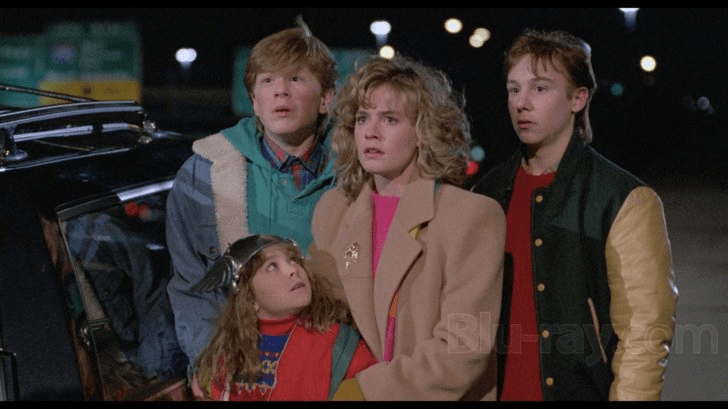
babysitter adventure
via Blue-Ray

First, we have the adventurous babysitter, always ready for a thrill. Think of Sarah from “Adventures in Babysitting” (1987). When a simple babysitting gig turns into a wild babysitter adventure through the streets of Chicago, Sarah shows she’s got the guts and smarts to handle anything. If you’re seeking a sitter who can keep up with your energetic kids and turn an ordinary night into an extraordinary adventure, this is the personality type for you. 

2. The Magical Sitter

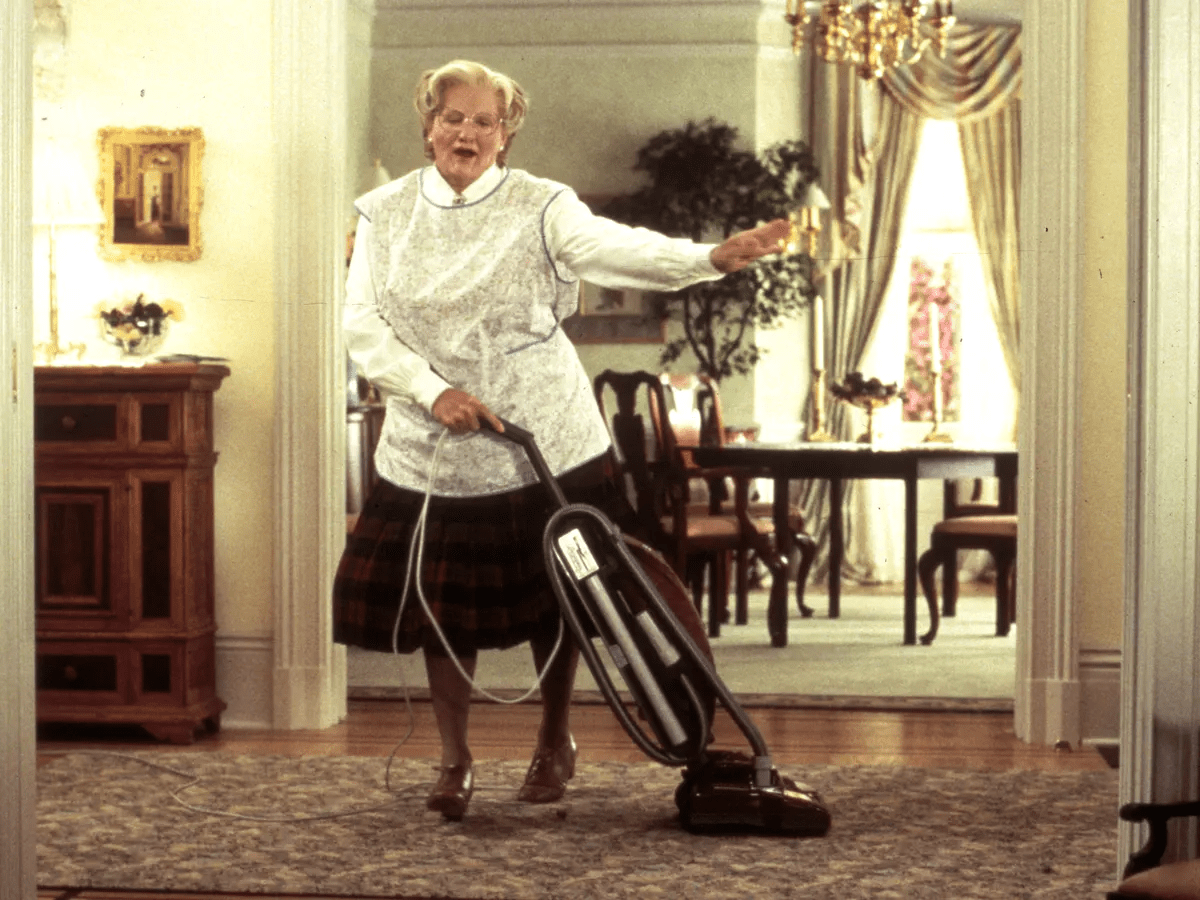
Every child dreams of having a babysitter like Mrs. Doubtfire (played by Robin Williams) from “Mrs. Doubtfire” (1993). With her whimsical charm and seemingly magical abilities, Mrs. Doubtfire transforms the mundane into the extraordinary, leaving a lasting impression on children and adults alike. If you’re looking for a sitter who can sprinkle a little magic into your child’s life, consider booking one with the enchanting charm of Mrs. Doubtfire.

Mrs. Doubtfire
via The Guardian

3. The Responsible Sitter

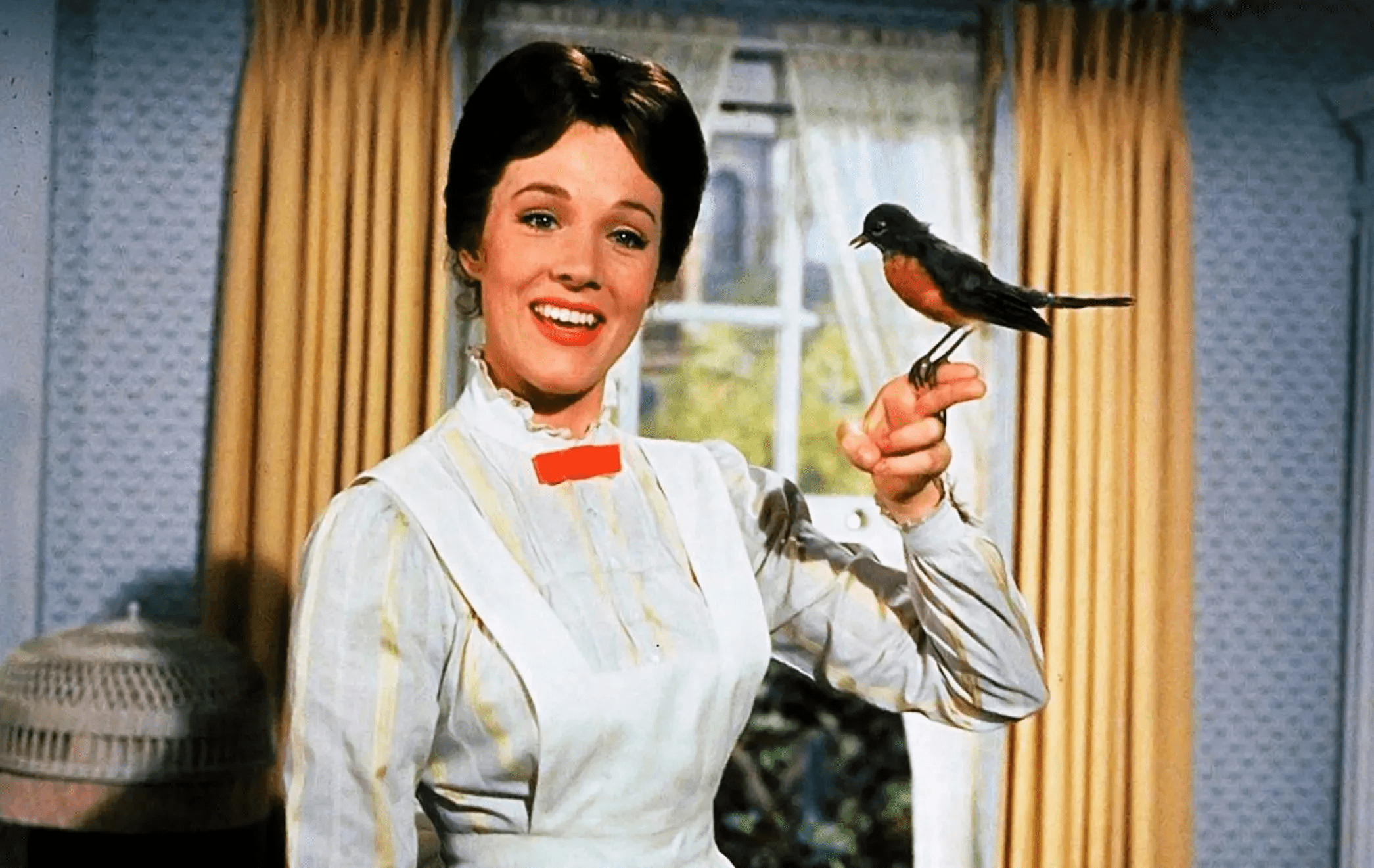
For parents who value reliability and trustworthiness above all else, consider Mary Poppins from “Mary Poppins” (1964). With her magical touch and impeccable sense of responsibility, Mary Poppins ensures that every child under her care learns valuable lessons while having fun. From tidying up rooms to teaching manners and values, Mary Poppins exemplifies the epitome of a responsible and caring babysitter. If you seek assurance knowing your children are in capable hands, look no further than the nurturing and accountable nature of Mary Poppins.

Mary Poppins
via Disney Wiki

4. The Fun-Loving Sitter

For kids, babysitters are more than just caregivers; they’re playmates and companions. Enter Cat in the Hat from “The Cat in the Hat” (2003), the ultimate embodiment of fun and whimsy. With his mischievous antics and larger-than-life personality, the Cat in the Hat turns babysitting into a joyous adventure filled with laughter and imagination. If you want your children to have a blast while under the care of a sitter, choose one who embodies the playful spirit of the Cat in the Hat.

cat in the hat movie babysitter
via IMDb

5. The Cool Sitter

baby-sitters club books
via Screen Rant

Next, we have the cool babysitter, like Claudia from “The Babysitters Club” (1995). Claudia effortlessly connects with the kids under her care with her laid-back attitude and effortless charm. She makes babysitting feel less like a job and more like hanging out with friends, just like scenes from the baby-sitters club books. If you’re searching for a sitter who can relate to your children on their level, look for Claudia’s cool confidence.

6. The Misguided Sitter

Ever encountered a slightly misguided babysitter akin to the one from “The Incredibles” (2004)? Sure, she may have had a slip-up or two (like handing Jack-Jack to the bad guy), but she did try her best to manage before things went haywire. So, if you’re up for an incredibles babysitter adventure that might include a bit of unexpected excitement and perhaps a dash of chaos, why not give it a shot? After all, sometimes the best stories come from the unexpected twists and turns.

incredibles babysitter
via CBR

7. The Reckless Sitter

Finally, let’s talk about the one babysitter personality type you absolutely want to avoid: The Reckless Sitter, inspired by the chaos of “The Sitter” (2011). This babysitter is notorious for their irresponsible and reckless behavior, bringing more chaos than care. From questionable decision-making to wild antics, The Reckless Sitter is not the ideal choice for ensuring the safety and well-being of your children. Instead, opt for a caregiver who embodies responsibility and reliability.

the sitter
via Amazon Prime

Which babysitter personality types do you relate to the most? Which one would you pick for your next babysitter adventure? The thrill-seeker, nurturing caregiver, or fun-loving companion? Whatever you decide, be sure to avoid The Sitter and incredibles babysitter types!

Related: What should I look for in a babysitter?

Ready to find the perfect babysitter for your little ones?

Start your search on UrbanSitter today!