Introducing Daycares & Preschools—Now on UrbanSitter!

infant and toddler at daycare with teacher

Big news! UrbanSitter is growing to serve families even better. We’re excited to announce that Kinside, the most comprehensive platform for finding and securing daycare and preschool spots, is now part of UrbanSitter.

By bringing more care options under one trusted umbrella, UrbanSitter is now the go-to destination for families looking for all forms of trusted child care—whether it’s a babysitter, nanny, daycare, or preschool—giving you more options to fit your needs and budget, all in one place.

Find daycares & preschools like never before

We’ve made it easier to discover and secure high-quality child care:
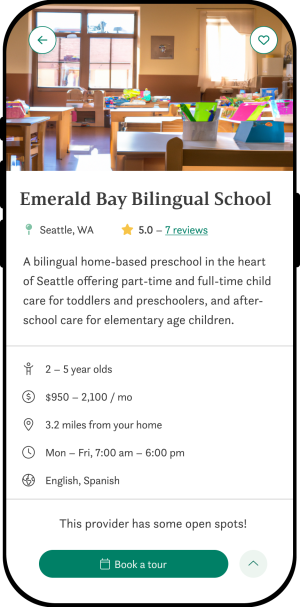
✅ Browse & compare real-time openings at over 200,000 licensed daycare and preschool programs.
✅ Find the perfect match— Add your care details, we’ll confirm openings and send you programs aligned with your unique needs and preferences.
✅ Book tours & secure enrollment quickly and with confidence.

phone with preview of daycare listing on UrbanSitter

UrbanSitter is home to the most trusted, flexible, and complete care solution—built for real life and every kind of family. UrbanSitter offers a full spectrum of care options, from babysitters and nannies to day care, preschool, pet care, senior care, and household services. More updates are coming soon as we continue to innovate and evolve what modern family care can look like.

Ready to start your search? Just log in to UrbanSitter and look for “Daycares & preschools” at the top of your Search screen—it’s easy to browse options nearby.

Wishing your job would help cover child care?

UrbanSitter Corporate Care gives employees access to backup care, daycares, preschools, senior care, pet care, and more—with many companies even helping cover the cost with subsidies.

Our benefits program is available nationwide. Share us with your HR team and let them know it’s a benefit worth looking into! Learn more here.

15 Questions to Ask a Nanny Agency

questions to ask a nanny agency

Finding the right nanny agency can feel overwhelming, mainly when you’re focused on finding the perfect nanny to match your child’s unique needs and your family’s routine.

There’s much to consider—from evaluating an agency’s screening process to understanding their approach to finding a nanny who aligns with your childcare philosophy.

In this guide, we’ll walk you through 15 essential questions to ask a nanny agency, why each question matters, and how to use these insights to make an informed decision. Let’s dive in!

Questions to Ask a Nanny Agency

  1. How do you screen nanny candidates?
    • Why it matters: A thorough screening process, including background checks and criminal background checks, ensures your child is safe with a qualified nanny.
  2. What experience with children do your nannies typically have?
    • Why it matters: Knowing the experience level helps you assess whether the agency can provide a professional nanny who meets your family’s needs, such as handling sick children or specific age groups.
  3. Do your nannies have formal training, including first aid training and CPR certification?
    • Why it matters: Formal training ensures that your nanny can handle emergencies and provide a safe environment for your child.
  4. Do you check references from previous employers?
    • Why it matters: Checking references gives insight into a potential nanny’s track record and reliability.
  5. What is your process for matching families with nannies?
    • Why it matters: A personalized matching process helps you find the perfect nanny who aligns with your childcare philosophy and household dynamics.
  6. Can you provide a list of questions to ask during a nanny interview?
    • Why it matters: Having prepared nanny interview questions ensures you cover all bases and learn about the nanny candidate’s skills, experience, and communication styles.
  7. How do you handle job descriptions and job requirements for each placement?
    • Why it matters: A detailed job description ensures the nanny understands their responsibilities, whether potty training, meal preparation, or acting as a family assistant.
  8. What happens if the nanny placement doesn’t work out?
    • Why it matters: Knowing the agency’s replacement policy can provide peace of mind if the initial match isn’t the right fit.
  9. Do you provide profiles of multiple qualified nannies to review?
    • Why it matters: Having options allows you to compare potential nannies and choose an ideal nanny for your family’s unique needs.
  10. What support do you offer after a nanny is placed?
    • Why it matters: Post-placement support, such as conflict resolution or ongoing check-ins, can help ensure a long-term, successful relationship.
  11. What education level or certifications do your nannies typically have?
    • Why it matters: A nanny’s education and training can influence their ability to support your child’s development and needs.
  12. Can you provide nannies for specialized roles, like household managers or family assistants?
    • Why it matters: Families with more complex needs, such as managing household staff, may benefit from a nanny who is also a household manager or family assistant.
  13. How do you ensure your nannies align with our childcare philosophy?
    • Why it matters: A nanny who shares your parenting values and philosophy will make caregiving more seamless and comfortable for your child.
  14. What is your policy on nannies caring for sick children?
    • Why it matters: Understanding this policy helps you plan for inevitable sick days and assess the nanny’s comfort level in managing illness.
  15. Are there additional costs for health insurance, benefits, or other services?
    • Why it matters: Clarifying costs upfront ensures you can budget appropriately and understand what’s included in the agency’s fees.

Related: Essential Daycare Interview Questions and Tips

questions to ask a nanny agency

Nanny Contracts: What Parents Should Know Before Signing

Signing a nanny agency contract is a significant step in solidifying the terms of your working relationship. Here’s what to keep in mind:

  1. Review the Details: Carefully read the contract to ensure it covers key aspects, such as payment schedules, work hours, and job responsibilities. Pay particular attention to overtime, vacation time, and sick leave clauses. Agencies accredited by professional organizations, such as the International Nanny Association (INA), often provide thorough contracts that comply with best practices.
  2. Clarify Duties: The contract should specify the nanny’s responsibilities, including childcare tasks, household duties like meal preparation, and whether they will act as a household manager or family assistant. If something isn’t clear, ask the agency for clarification.​
  3. Understand Termination Policies: A good contract outlines conditions under which either party can end the agreement, including required notice periods or reasons for immediate termination. This helps avoid misunderstandings later​.

For additional insights, visit resources like the Association of Premier Nanny Agencies (APNA) or the International Nanny Association (INA), which offer guidelines for creating comprehensive and legally sound contracts.

Recognizing Red Flags When Choosing a Nanny Agency

Selecting a trustworthy nanny agency is critical. Here are signs that could indicate potential problems:

  • Vague Screening Processes: A reputable agency should detail its steps for conducting thorough background checks and verifying references. Lack of transparency can signal poor vetting standards.
  • No Accreditation: Agencies associated with professional organizations like INA or APNA are committed to industry standards and ethics.
  • Hidden Fees: Be wary of agencies that don’t clearly outline their fee structure, including costs for replacements or additional services.
  • Limited Candidate Information: If an agency hesitates to share detailed profiles or doesn’t provide multiple options for qualified nannies, it might not prioritize your family’s needs.

By being proactive and asking the right questions, you can avoid potential issues and ensure your family is safe.

Tips for Making the Right Nanny Agency Choice

  1. Seek Accreditation: Choose an agency affiliated with organizations like INA or APNA, as these memberships reflect a dedication to high standards in childcare.
  2. Ask About Support Services: Many top agencies offer ongoing support, including help resolving disputes or conducting periodic check-ins to ensure satisfaction.
  3. Evaluate Replacement Policies: Ensure the agency provides a clear replacement policy if the initial placement fails.

These steps can give you confidence that your chosen agency will provide the support and expertise necessary to find the perfect nanny.

Concluding Thoughts

Choosing a nanny agency is a big decision, but asking the right questions and knowing what to look for in contracts can make the process much smoother. From background checks to finding a nanny who aligns with your childcare philosophy, these steps can help you feel confident in your choice.

Related: Au Pair vs. Nanny vs. Daycare: Making the Right Choice

Child Care EIN Number Lookup: A Step-by-Step Guide

babysitter with toddler playing

When tax season rolls around, many parents scramble to do a child care EIN number lookup to report their daycare or preschool expenses for tax deductions. This EIN (Employer Identification Number) is crucial for tax deductions and claiming the Child and Dependent Care Credit. In this guide, we’ll show you how easy it is to perform a daycare EIN search, share helpful resources, and explain why choosing a licensed childcare provider is beneficial.

What is an EIN Number for Daycares and Child Care Providers?

An EIN is a unique number assigned by the IRS to identify businesses, including childcare centers, daycares, and preschools. It’s like a “tax ID” for the business. Parents need this number when claiming childcare expenses on their tax returns, as it allows the IRS to verify eligible deductions. If the EIN is missing from your receipts or invoices, you might need to conduct a daycare EIN search or daycare tax ID number lookup to get it.

How to Find a Child Care EIN Number

If you need an EIN number lookup for daycare or preschool, here are the steps you can take:

  1. Check Your Payment Receipts or Invoices

    • Many licensed childcare programs include their EIN number on billing documents, so start by reviewing any receipts or invoices you’ve received. This can be the quickest way to locate the daycare’s EIN.
  2. Ask the Child Care Provider Directly

    • Contact the daycare or preschool directly if the EIN isn’t on your paperwork. Let them know you need their tax ID number for your tax return. A daycare EIN search is a common request, especially around tax season, so they should be able to provide it.
  3. Check with Your State’s Office of Child Care

    • Every state has an Office of Child Care or a regional licensing office that manages child care provider licensing. Some states even provide public access to compliance history, licensing status, and other details about childcare operations, which may include EIN information for certain licensed providers. You can find your state’s childcare agency by visiting ChildCare.gov.
  4. Search Online Compliance or Licensing Databases

    • In many states, parents can use online databases to verify a childcare provider’s compliance history. These databases can be helpful if you want to check the quality of care at a particular daycare or preschool. For instance, California’s Child Care Licensing Division offers a search portal to find licensed childcare facilities and view their compliance records.
  5. Contact the IRS if Needed

    • If you can’t locate the EIN from your provider or state resources, the IRS might be able to help. Contact the IRS at 1-800-829-1040 for guidance on reporting childcare expenses without an EIN. They may advise on acceptable alternatives or other documentation you can use. Learn more from the IRS website.

Why Licensed Child Care Providers Are a Great Choice

Choosing a licensed childcare provider not only ensures regulatory compliance but also provides peace of mind for parents. Licensed providers meet specific safety standards and undergo regular inspections, which can be essential for protecting children from injury or other risks. Additionally, providers with a compliance history available to the public can offer transparency regarding their operational standards.

  • Safety First: Licensed facilities follow strict protocols to ensure children’s safety, including regular inspections.
  • Transparency: Licensing agencies maintain compliance records, which helps parents understand a provider’s history and standards.
  • Quality Assurance: Licensed providers are held to regulated standards so parents can feel confident their children are in a reliable, professional environment.

Related: Day Care Centers or In-Home Family Day Care?

ein number lookup for daycare

Common Questions About Daycare EIN Numbers

  • Do I need a daycare’s EIN for taxes?

  • What if my daycare doesn’t have an EIN?

    • Some providers, like family childcare homes, may not have an EIN if they operate as a sole proprietorship. In this case, they may use their Social Security Number (SSN) instead.
  • Where else can I look up the EIN number for a daycare?

    • Aside from contacting the provider directly, the IRS or your state’s child care licensing office may offer additional guidance. Always consult with a tax professional if you need help.

Conclusion and Final Tips

To find an EIN for a daycare or childcare provider doesn’t have to be a challenge. By checking receipts, asking the provider, or utilizing state resources, you can find the information you need for tax season. And remember, choosing a licensed provider offers peace of mind with added safety and transparency.

For more information, visit ChildCare.gov or consult a licensed tax professional if you have questions about a child care EIN number lookup for tax reporting.

Ready to explore your childcare options? Let UrbanSitter connect you with trusted local sitters and daycare providers that fit your family’s needs!

Please Note: UrbanSitter is a platform for families and caregivers to connect. We are not licensed tax professionals. We encourage individuals to reach out to a local tax professional for any questions about tax preparations. 

Is Daycare Tax Deductible? Saving on Child Care Costs

is daycare tax deductible

Child care is one of the biggest expenses families face, so it’s no wonder many parents ask, is daycare tax deductible? While daycare costs aren’t directly deductible, you might be eligible for valuable tax credits that can help reduce the financial burden. Let’s unpack everything you need to know about daycare tax credits, eligible expenses, and how to claim these benefits during tax season.

Daycare and Taxes: What You Need to Know

The first thing to understand is the difference between tax deductions and tax credits. According to the IRS, a tax deduction lowers your taxable income, while a tax credit directly reduces the tax you owe. Unfortunately, daycare expenses don’t qualify as a tax deduction. However, daycare and other childcare costs may be eligible for the Child and Dependent Care Tax Credit, a federal tax credit designed to help working parents and guardians cover the cost of care.

This credit applies to more than just daycare centers. If it meets the IRS’s requirements, you can use it for after-school programs, certain day camps, and other qualified care.

What is the Child and Dependent Care Tax Credit?

The Child and Dependent Care Tax Credit is a federal program that allows families to claim a percentage of their dependent care expenses if they pay for care so they can work or attend school.

  • How much can you claim? As of 2025, the credit covers up to $3,000 in expenses for one child or up to $6,000 for two or more children.
  • Who qualifies? The care must be for a dependent child under the age of 13, a disabled spouse, or another qualifying dependent.
  • Income-based credit rate: You can claim between 20% and 35% of your eligible expenses depending on your income level. Families with higher taxable incomes may qualify for a lower credit percentage.

What Counts as Eligible Daycare Expenses?

The IRS has clear guidelines on which expenses qualify for the child care tax credit. These are some examples of eligible costs:

  • Payments to licensed daycare centers and dependent care centers.
  • Fees for after-school programs or school care programs for children under 13.
  • Wages are paid to in-home caregivers, such as a nanny or babysitter, who provide child care services.
  • Day camp fees are charged as long as the camp is not an overnight program.

Expenses that do not qualify include:

  • Costs for overnight camps or summer camp fees unrelated to child care.
  • Private school tuition, including kindergarten or higher grade levels.

Am I Eligible for the Daycare Tax Credit?

To claim the credit, you’ll need to meet these requirements:

  1. Qualified dependent: The care must be for a dependent child under 13 or a disabled dependent.
  2. Work or school necessity: You (and your spouse, if filing as married filing jointly) must be working, looking for work, or enrolled as a full-time student.
  3. Filing status: The credit is available to most filers, but certain restrictions apply if your filing status is separate rather than joint.

Additionally, only the custodial parent can claim the credit in cases where parents are divorced or separated. If your employer offers dependent care benefits, like a dependent care account, this may reduce the amount you can claim for the tax credit. The IRS website provides an online interview tool to determine if you are eligible. 

Related: Child Care EIN Number Lookup: A Step-by-Step Guide

is daycare tax deductible

How Much Can the Tax Credit Save You?

The exact savings depend on your income level, number of dependents, and total dependent care costs. Here’s how to calculate your savings:

  1. Determine your eligible expenses (up to $3,000 for one child or $6,000 for two or more).
  2. Apply your credit percentage based on income (20%-35%).
  3. Subtract the resulting amount from your tax liability to see how much less you’ll owe.

For instance, if your family spends $5,000 on daycare and qualifies for a 20% credit rate, you could save $1,000 on your taxes.

Filing Your Tax Return to Claim the Credit

To claim the tax credit, complete IRS Form 2441, which will help you calculate your credit and report your daycare expenses. Gather all necessary documentation, including receipts, invoices, and your provider’s tax ID number (available on Form W-10, Dependent Care Provider’s Identification). Submit the completed form along with your federal tax return.

If you’re using a dependent care FSA, remember that you cannot claim the same expenses for the tax credit and the FSA. This rule ensures you’re not “double-dipping” on the tax benefits. 

Other Tax Benefits for Parents

In addition to the Child and Dependent Care Tax Credit, other tax benefits are designed to help families. The Child Tax Credit provides up to $2,000 per qualifying child under 17, while employer-sponsored Dependent Care FSAs allow you to set aside pre-tax dollars for eligible child care expenses. Depending on your financial situation, you may be able to combine these benefits to maximize your savings.

Maximizing Your Daycare Savings

Navigating questions about if daycare taxes are deductible can feel overwhelming, but these tips can help:

  1. Keep records: Save receipts, invoices, and documents related to your child care services and expenses.
  2. Consult a professional: A tax advisor can help you understand special rules and ensure you’re claiming the maximum benefits.
  3. Plan ahead: If your employer offers dependent care benefits, consider setting aside funds in a pre-tax account to reduce the overall cost of childcare.

Child care can be expensive, but tax credits can make a real difference. Keep track of your costs and explore all your savings options during tax time.

Ready to explore your daycare options? Let UrbanSitter connect you with trusted local sitters and daycare providers that fit your family’s needs!

Disclaimer: UrbanSitter’s presentation of the resources in this blog post is not in any way an endorsement or tax advice. Taxes and tax advice are complicated by nature, and you should be sure to do your own due diligence when preparing for the upcoming tax season. UrbanSitter is not responsible for any tax or other advice provided by any entity, nor is UrbanSitter responsible for filing or assisting in the filing of taxes for users registered on urbansitter.com.

Essential Daycare Interview Questions and Tips

daycare interview questions

Finding the right daycare can be daunting, especially when considering the best fit for your child’s unique needs and your family’s schedule. There’s a lot to consider, from evaluating daycare contract examples to understanding a daycare questionnaire for parents and preparing questions to ask at a daycare tour. In this guide, we’ll walk you through essential daycare interview questions, tips for a successful daycare tour, and key contract basics to help you make an informed choice. Let’s dive in!

 interview questions for daycare

Important Daycare Interview Questions

When interviewing a daycare provider, your questions can make all the difference. Whether you’re preparing questions to ask daycare for an infant or seeking general daycare tour questions, here’s a list to ensure a thorough evaluation:

  1. What is your staff-to-child ratio?
    • Why it matters: A lower ratio means more individual attention for your child. The recommended ratio varies by age, but the lower, the better. 
  2. What is your policy on discipline?
    • Why it matters: Understanding their discipline policy, such as using positive reinforcement, helps ensure it aligns with your parenting style and that your child will be treated respectfully.
  3. What are your qualifications and those of your staff?
    • Why it matters: The staff’s childhood education and experience levels can directly impact the quality of care your child receives.
  4. How do you handle emergencies?
    • Why it matters: Knowing their protocol for accidents, illness, or other challenging situations gives you peace of mind about your child’s safety.
  5. What is your daily schedule?
    • Why it matters: Generally, a structured daily routine with planned daily activities helps children feel secure and fosters learning and development.
  6. How do you communicate with parents?
    • Why it matters: Regular updates on your child’s progress and day-to-day activities help keep you informed and involved. Knowing how your child approaches communication with parents is essential.
  7. Can you provide a sample of a typical week’s menu?
    • Why it matters: Ensuring the daycare provides nutritious meals and snacks is vital for your child’s health. If your child has food allergies or specific dietary restrictions, it is essential that the daycare can support these.
  8. What is your sick child policy?
    • Why it matters: Understanding their policy on illness can help you plan for those inevitable sick days.
  9. How do you support children’s emotional development?
    • Why it matters: Emotional well-being is as important as physical care. The daycare should have strategies for nurturing emotional growth.
  10. What are your fees, and what is your policy on late payments?
    • Why it matters: Understanding the financial obligations and late payment policies helps avoid misunderstandings.

What Parents Should Know When They Sign a Daycare Contract

Signing a daycare contract is a crucial step that formalizes the agreement between you and the daycare provider. Here’s what you need to consider:

  1. Read the Fine Print: Every detail matters. Review the contract thoroughly to ensure you understand the terms regarding payment, hours, holidays, and late pick-up fees.
  2. Clarify Expectations: The contract should clearly outline the daycare facility’s discipline and communication skills policies. If something isn’t clear, ask questions before signing.
  3. Understand the Termination Policy: Know the conditions under which you or the daycare provider can terminate the contract. This will save you from potential headaches down the road.

You can refer to resources such as the Child Care Law Center or BoloSign for detailed daycare contract examples. These sites offer dozens of templates to help you understand what to expect.

Related: What Are the Worst and Best Ages to Start Daycare?

Expectations for Daycare Questionnaires for Parents

Daycare questionnaires for parents are often used by providers to better understand their child’s needs and expectations. Here’s what to expect:

  • Child’s Preferences: Be prepared to provide information on your child’s likes, dislikes, and specific needs.
  • Routine and Habits: Daycares may ask about your child’s sleep schedule, feeding routines, and comfort items to ensure a smooth transition. Understanding these developmental stages helps them cater to your child effectively.
  • Parental Expectations: You’ll likely be asked what you hope your child will gain from daycare—social skills, academic readiness, developmental milestones, or simply a safe place to play.

Answering these daycare questionnaires for parents thoroughly helps daycare providers tailor their care to your child’s specific needs, making the experience more beneficial for everyone.

Concluding Thoughts

Finding the right daycare takes time, research, and careful consideration. By asking the right interview questions at a daycare tour and understanding what to expect from daycare contract examples, you’re well on your way to making an informed choice.

Does your employer offer child care benefits? UrbanSitter’s Corporate Care Program provides comprehensive childcare benefits for organizations, including access to over 25,000 vetted daycare centers. From backup care to center-based options, we help your employees stay focused and supported.

If you’re considering at-home child care instead, start your search today with UrbanSitter.

Related: Au Pair vs. Nanny vs. Daycare: Making the Right Choice

What are my daycare options?

day care options

Finding the right daycare for your child is a big decision, and with so many childcare options available, it can feel overwhelming. Each type of care offers unique benefits, so it’s essential to understand what might best suit your family’s needs. In this guide, we’ll walk through various daycare options, factors to consider, and resources to help you make an informed choice.

Types of Daycare Options for Children by Age

There are numerous daycare options to fit different family needs, from infant care options to after-school care. Here are some common types of care:

1. Child Care Centers

Childcare centers are often larger, structured environments with group activities, scheduled routines, and staff trained to support children by age. Typically, these centers provide quality child care and are licensed to ensure safety and developmental support.

  • Key Benefits: Licensed and regulated, with a structured environment and various learning opportunities.
  • Ideal For: Families looking for an engaging, social setting for their child, especially beneficial for children over age 2 but often including specialized infant care options.

2. Family Child Care Homes

Family childcare providers offer daycare in a smaller, home-based setting, creating a cozier, more intimate environment. This type of care tends to be more flexible and personalized, which can be ideal for infants and toddlers. See our post on Day Care Centers or In-Home Family Day Care for a deeper comparison.

  • Key Benefits: Smaller group sizes, a home-like atmosphere, and flexible hours.
  • Ideal For: Infants and toddlers who may benefit from consistent, nurturing care in a familiar, home-based setting.

3. Nursery Schools & Preschool Programs

Nursery schools and preschool programs focus on early childhood education, promoting social, emotional, and cognitive skills. These childcare programs prepare young children for school through creative, play-based learning in a group setting.

  • Key Benefits: Emphasis on learning and socialization, fostering school readiness.
  • Ideal For: Pre-kindergarten children ready for a structured learning experience.

Want to understand the differences between preschool and daycare? Our guide, Is Preschool the Same as Daycare? explores what makes these programs unique.

4. School-Age Care and Before/After School Programs

Before- and after-school programs care for school-aged children outside of regular school hours, often in partnership with public schools or community centers.

  • Key Benefits: A safe, supervised space for school-aged kids to complete homework, participate in activities, and interact with peers.
  • Ideal For: Working families needing child care options outside school hours.

Key Considerations When Choosing Daycare

When evaluating daycare options, keep these key factors in mind:

  • Quality of Care: Every childcare option differs in structure, supervision, and engagement level. Look for licensed child care that prioritizes activities that support child development and fosters a nurturing environment.
  • Safety Standards: Ensure that any childcare provider follows strict safety protocols, from background checks to facility cleanliness and emergency preparedness.
  • Caregiver-to-Child Ratio: Particularly important for infants and toddlers, a lower caregiver-to-child ratio allows for more personalized attention.
  • Location & Convenience: Choose a location that aligns with your schedule, as convenience can be a game-changer for busy families.

Choosing Between a Nanny and Daycare for Infants

When considering daycare options for infants, many parents weigh the benefits of hiring a nanny versus enrolling in a daycare. Here’s a quick comparison:

  • Personalized Attention vs. Socialization: A nanny provides one-on-one care tailored to your baby’s unique needs, while a daycare center offers opportunities for early socialization and structured activities.
  • Safety and Licensing: Daycare centers must meet state-mandated safety standards, whereas choosing a nanny with the right credentials and experience can provide peace of mind in a home setting.

For a complete breakdown where we explore the pros and cons of these infant care options, check out Nanny vs. Daycare for Infants.

Planning for Last-Minute Child Care Needs

Even with a well-planned schedule, unexpected situations can arise. It’s helpful to have backup childcare options, like flexible daycare centers or childcare services that offer last-minute care in your home.

  • Flexible Child Care Centers: Some centers provide drop-in options, though availability may vary.
  • Same-Day Emergency Babysitters: UrbanSitter connects you with reliable babysitters that come to your house, making it easier to find trusted last-minute child care services when you need them most.

For more advice on finding a reliable solution in a hurry, read Tips for Finding Last-Minute Child Care.

infant care options

Choosing the Best Daycare Option for Your Family

Finding the right daycare option involves balancing what works best for your family’s needs, budget, and values. Each choice, from child care centers to family-based care and nanny services, has unique benefits and drawbacks. Consider what aligns with your priorities—a structured environment, personalized attention, or socialization opportunities. Finding a safe, nurturing option where your child will thrive is key.

Ready to find your family's perfect match?

Start your search today with UrbanSitter

Is Preschool the Same as Daycare?

Is preschool the same as daycare?

When it comes to your child’s early education and care, you might wonder, is preschool the same as daycare? This is a common question among parents, especially when deciding between child care options like daycare programs and preschools. While both options serve young children, they have distinct qualities that might make one a better fit for your family. In this guide, we’ll break down the biggest differences between daycare and preschool so you can make an informed choice that best supports your child.

What is Daycare?

Daycare centers provide care and supervision to children, often from infancy through until they are ready to go to school. These centers provide a safe environment where children can play, learn basic social skills, and receive age-appropriate activities while their parents work or attend to other responsibilities.

What is Preschool?

Preschool, also known as nursery school, is an early childhood education program for children aged three to five. Its focus is on preparing children for kindergarten and elementary school. Compared to daycare, preschool emphasizes more structured learning, social development, and cognitive skills.

Daycare vs. Preschool: Key Differences

Settings and Locations

  • Daycare: You’ll often find daycare centers as stand-alone facilities, in community centers, or as small home-based daycares. They are designed with safe play areas and rooms for napping.
  • Preschool: Preschools are either stand-alone facilities or affiliated with an elementary school, community center, or church. The environment is often more structured and designed to support educational activities.

Typical Age Range of Children

  • Daycare: Daycare programs typically accommodate a wider age range, from infants as young as six weeks old to five years old.
  • Preschool: Preschool programs generally cater to children aged three to five years, focusing on the period just before they enter kindergarten.

Hours and Calendar Schedules

  • Daycare: Most daycares offer flexible hours to accommodate working parents, with full-day options available year-round. Many are open early in the morning until late in the evening.
  • Preschool: On the other hand, preschools often follow a more traditional academic calendar, similar to elementary schools. They usually operate during school hours only with options for half-days or half-weeks for children adjusting to attending school. Some preschools offer before and after school care to accommodate parents who work full-time.

Day-to-Day Structures

  • Daycare: The daily structure in daycare is usually more relaxed, focusing on providing a nurturing environment where children can engage in play, social interaction, and rest at the appropriate times.
  • Preschool: Preschools have a more organized daily routine, with planned lessons and activities to develop specific skills in preparation for kindergarten. The emphasis is typically on pre-academic skills and social development.

Daily Activities

  • Daycare: Activities in daycare settings tend to be more play-oriented, including free play, nap times, snack breaks, and basic learning activities.
  • Preschool: Preschool activities encourage cognitive development, social skills, language acquisition, and motor skills. These might include arts and crafts, reading sessions, and interactive games.

Curriculum and Learning Outcomes

  • Daycare: While some daycares offer educational content, their primary focus is child care service rather than formal learning. Learning is more incidental and child-led, designed to support overall and emotional development.
  • Preschool: On the other hand, preschools use a formal curriculum to prepare children for school. They focus on early literacy, numeracy, problem-solving, and social-emotional skills, setting a solid foundation for future academic success and school readiness.

Potty Training Expectations

  • Daycare: Daycares typically welcome children who are not yet potty trained and actively help with the training process as part of their care. Families may be expected to provide their own supply of diapers.
  • Preschool: Preschools generally require children to be potty trained before enrollment, as they focus on fostering more independence in daily routines.

Pricing and Federal Funding

  • Daycare: Daycare costs can vary widely, but many facilities offer sliding scale fees or subsidies based on family income. Federal and state funding may be available to help reduce the cost. Some daycares also offer sibling discounts or military discounts.
  • Preschool: While some preschools are private and tuition-based, many offer public or nonprofit options that receive government funding, making them more affordable for families. You can also ask about scholarships are available.

The ChildCare.gov website is a helpful resource to find child care financial assistance options in your state, including vouchers, certificates, subsidies, Head Start and Early Start programs, state-funded prekindergarten, and military child care financial assistance programs.

Staff Qualifications

  • Daycare: Daycare staff typically have certifications in childcare and basic first aid. Some may have early childhood education training, but it is not always required.
  • Preschool: Preschool teachers often earn degrees or receive specialized training in early childhood education, which ensures they are well-prepared to deliver a structured learning experience.

Related: Au Pair vs. Nanny vs. Daycare: Making the Right Choice

daycare vs preschool

Choosing the Right Option for Your Child

Deciding between daycare and preschool depends on your family’s needs and the child’s development stage. If you’re looking for a flexible child care program that provides a safe and caring environment, daycare might be the right fit. However, if your focus is on preparing your child for academic success and social development, a preschool setting could be more suitable.

Consider your child’s age, personality, and readiness for a structured environment. Also, think about your own schedule, the hours that work best for your family, and what you want your child to gain from the experience.

Ready to explore your child care options? Let UrbanSitter connect you with trusted local sitters and daycare providers that fit your family’s needs!

Day Care Centers or In-Home Family Day Care?

daycare or day care

Starting the daycare search for your child can feel overwhelming, especially with so many options to consider. Two popular choices are family daycare or day care centers, each offering unique benefits. Understanding the daycare meanings and differences between these family daycare vs. day care center options can help you make an informed choice that suits your child’s needs and your family’s lifestyle. Let’s explore each to help you feel confident in your decision.

What Are Day Care Centers?

Daycare or childcare centers are professionally licensed facilities designed to care for children in larger groups. These centers are staffed by trained caregivers and focus on structured, developmentally appropriate activities that foster cognitive, social, and physical growth. 

What is In-Home Family Daycare?

In-home family childcare is typically provided in the caregiver’s home, offering a smaller, more personal setting. Often run by a single caregiver or a small team, in-home care provides a home-like environment ideal for children who need more individualized attention.

In-Home Family Day Care vs. Day Care Centers: Key Differences

1. Structure and Routine

  • Day Care Centers: These facilities usually follow a structured schedule. With set times for learning, play, and physical activities to support school readiness and social skills.
  • In-home Family Daycare: While some structure is maintained, family daycare providers often allow for more flexibility in daily routines, tailoring activities to each child’s needs. This can be beneficial for children who thrive with a mix of structure and free play.

2. Group Size and Social Interaction

  • Day Care Centers: The larger group environment promotes socialization, helping children build social skills and independence through peer interaction.
  • In-home Family Daycare: With smaller group sizes, children benefit from a close-knit, family-like environment for more individualized attention and comfort.

3. Flexibility and Scheduling

  • Day Care Centers: Operating on a fixed schedule, centers provide reliability for families needing consistent hours, though they may lack flexibility for non-traditional schedules.
  • In-home Family Daycare: Many family daycares offer flexible hours, accommodating parents who require care outside typical business hours. Therefore, making them a good choice for families with unique schedules.

4. Cost and Affordability

  • Day Care Centers: Due to staffing and facility costs, daycare centers may be more expensive but sometimes offer group rates for preschool-aged children.
  • In-home Family Daycare: Generally more budget-friendly, in-home family care is often a good fit for families seeking a smaller, personalized setting. However, spots may be limited due to the intimate nature of the setting.

5. Environment and Caregiver-Child Relationship

  • Day Care Centers: With multiple caregivers and children, daycare centers foster a school-like atmosphere that encourages independence. Children learn to navigate social groups and participate in structured activities.
  • In-home Family Daycare: The smaller, home-based setting offers a strong caregiver-child bond. So, this is ideal for younger children who may benefit from a nurturing, personal environment.

Related: Is Preschool the Same as Daycare?

Pros and Cons: Child Development

  • Cognitive and Language Development

    • Daycare Centers: Centers often incorporate language-rich activities like storytime and group play that encourage language and cognitive skills.
    • In-Home Family Child Care: The personalized setting supports natural language development through more frequent one-on-one conversations and organic learning experiences.
  • Emotional and Social Development

    • Daycare Centers: The group environment fosters social skills, helping children learn teamwork and conflict resolution.
    • In-Home Family Child Care: The intimate environment allows for close emotional bonds, comforting younger or more sensitive children who may prefer a quieter, home-based setting.
  • Physical Development

    • Daycare Centers: Many centers provide dedicated play areas and structured activities to develop motor skills.
    • In-Home Family Child Care: Physical play in in-home settings is often more flexible, with opportunities for outdoor play in a yard or nearby park, encouraging movement and exploration.

Related: Nanny vs. Daycare for Infants

daycare meaning

Daycare Alternatives

If traditional daycare centers or in-home family daycare don’t seem like the right fit, here are a few other options to consider:

  • Nannies: Offering one-on-one care in your home, nannies are flexible and can adapt to unique family schedules.

  • Part-Time Programs: Available at many preschools and community centers, these programs are ideal for families needing only a few hours or days of care each week.

  • Shared Care: Options like nanny shares or co-op daycares provide a small group setting, balancing social interaction with affordability.

  • Informal Care with Family or Friends: Trusted family members or friends can provide a low-cost option for care, though it’s helpful to establish routines for consistency.

Choosing the Best Fit for Your Family

Finding the right childcare is a big decision. Understanding each option’s structure, flexibility, and environment will help you make the best choice for your child. Whether you prefer a family daycare or day care center, or an alternative arrangement, focus on what aligns with your family’s unique needs and values.

Nanny vs. Daycare for Infants

Nanny vs daycare infant

Choosing child care for your little one is a big decision, and if you’re torn between a nanny vs. daycare for your infant, you’re not alone. Both options offer unique benefits, but which fits your family best? In this guide, we’ll break down the pros and cons of each choice, from costs and flexibility to socialization and one-on-one attention. Whether you’re looking for personalized care or a structured environment, we’ll help you make the best choice for your baby’s needs.

Cost and Expenses

  • Nanny: When comparing nanny cost vs daycare, hiring an infant nanny often involves higher expenses than a daycare facility. This is especially true when you factor in hourly rates, taxes, and potentially paying a nanny agency finders fee. See our full nanny cost breakdown, including the average salary by U.S. city.

    The average cost of a nanny can also increase if you need a flexible schedule or light housekeeping services. A
    nanny share might be a more cost-effective way to balance expenses for families with multiple children.

  • Daycare: Daycare costs can vary based on the location, reputation, and type of care offered at the childcare center. While it may be more budget-friendly than a nanny for a single child, the cost of daycare can add up if you need extended hours or have multiple children. Family daycares, typically run out of a home, might offer a more affordable alternative to larger daycare centers.

Which is more affordable? Likely daycare.

Personalized and Individualized Care

  • Nanny: A nanny provides one-on-one care, allowing for a highly personalized experience tailored to your infant’s needs. This individualized attention can help your child reach key developmental milestones faster, as the caregiver focuses solely on your infant’s growth and activities to build language and motor skills.

  • Daycare: In a daycare setting, the caregiver ratio tends to be higher, meaning each daycare worker is responsible for multiple children. This environment offers less individual attention but can still be a valuable setting for socialization and learning when your child is older. 

Which has more personalized care? Likely a nanny.

Socialization and Social Skills

  • Nanny: While a nanny can supervise outings to parks and playdates, your infant will primarily receive one-on-one interaction. This level of individual attention can be great for building a secure bond, but offers fewer chances to develop social skills with other children. When weighing nanny vs daycare options, this one-on-one focus may be a pro or a con, depending on your socialization priorities for your infant.

  • Daycare: In a daycare setting, your infant will have daily opportunities to interact with peers and older children, helping them develop essential social skills. This interaction fosters early modeling of communication, sharing, and adaptability, which is impactful for future learning and socialization. 

Which offers more socialization? Likely daycare.

Flexibility and Schedule

  • Nanny: Nannies offer unparalleled flexibility, often working around your weekly hours and specific needs. If you require evening and weekend care, coverage for holidays, or have a regular schedule that varies week to week, a nanny can adapt to your lifestyle. They may also help with household chores or provide light housekeeping, adding convenience for busy parents.

  • Daycare: Most daycares operate on a fixed schedule, which may not accommodate last-minute late pickups, holiday coverage, or extended hours. Some family daycares offer part-time daycare options, which can be helpful if you don’t need full-time care but still want a structured environment for your infant. If you’re debating between nanny vs. daycare, this scheduling flexibility could be a deciding factor.

Which offers more schedule flexibility? Likely a nanny.

Additional Considerations

  • Health and Safety: When considering nanny vs daycare, it’s important to note that a nanny reduces your child’s exposure to germs. While daycare settings provide strict health and safety protocols, there are inevitable outbreaks of contagious childhood illnesses. A nanny may also agree to care for your sick infant, while a daycare will send them home immediately.
  • Development: Nannies can focus on your infant’s childhood education and developmental milestones, while daycares offer a structured curriculum that helps children learn in a group setting.
  • Monitoring: Some parents install a nanny cam for added peace of mind when hiring a nanny. Daycare facilities usually have security measures to ensure all children’s safety.

Related: The Pros and Cons of Daycare Revealed by Studies

nanny cost vs daycare Choosing the Best Care for Your Infant – Nanny vs Daycare

Deciding between a nanny or daycare for your infant isn’t easy, but knowing your priorities can help guide your decision. Whether it’s the affordability of child care centers, a nanny’s one-on-one care, or a daycare’s social benefits, the best option depends on your family’s needs.

Ready to find the perfect fit for your infant’s care?

Find a nanny or daycare near you at UrbanSitter.

Daycare Ratios by State: What You Need to Know

what is the staff to child ratio in child care

Choosing the right daycare for your child is a big decision. One of the key factors to consider is the staff-to-child ratio—the number of children each staff member is responsible for. These ratios, which differ by age group and state regulations, are crucial for ensuring your child receives the attention and care they need. Understanding daycare ratios by state can guide you in making the best choice for your family.

What Are Daycare Ratios?

Daycare ratios (also referred to as staff-to-child ratios) define the maximum number of children each adult can supervise in child care settings. Federal law requires establishing these standards at a state level to ensure your child is safe and well-cared for, whether in a large daycare center or a family childcare provider setting. The state ratios for childcare can vary, but the goal is always to provide adequate supervision and support for children at every developmental stage.

Why Do Daycare Ratios Vary by Age Group?

Daycare ratios vary based on the age of the children due to their different developmental needs. For instance, infants require more one-on-one attention for basic care, such as feeding and diaper changes, while toddlers need close supervision due to their growing mobility and curiosity. By the time children reach preschool and kindergarten age, they are more independent, so the ratio of staff to children can be higher.

This variation is based on the level of care and supervision of children needed at different stages of development. Regulatory bodies set these requirements to ensure safety and adequate individual attention for every child in daycare.

Daycare Age Groups:

  • Infants (0-12 months): Frequent feedings, diaper changes, and one-on-one care are needed.
  • Toddlers (1-2 years): More mobile and active, requiring constant supervision to prevent accidents.
  • Preschoolers (3-5 years): Increasing independence but still need guidance and attention, especially in group activities.
  • Kindergarteners (5+ years): More self-sufficient, requiring less direct supervision, though they still benefit from a structured environment.

Related: Essential Daycare Interview Questions and Tips 

day care ratios by state

General Daycare Ratio Ranges by Age Group in the U.S.

Here’s a general breakdown* of daycare ratios by age group:

Age GroupTypical Staff-to-Child Ratio Range
Infants (0-12 mos)1:3 to 1:5
Toddlers (1-2 yrs)1:4 to 1:8
Preschool (3-5 yrs)1:7 to 1:12
Kindergarten (5+ yrs)1:10 to 1:20

*Note: These numbers are guidelines; each state has its own regulations, often enforced by regulatory bodies such as the Department of Children and Families (DCF) or equivalent agencies. It’s important to check the specific childcare ratios by state before choosing. Some states may also require specific size requirements, such as a minimum of square feet per child in the daycare space.

Related: What are the Worst and Best Ages to Start Daycare?

State Ratios for Childcare

If you’re wondering, “What is the staff-to-child ratio in child care in my state?” here are the steps to find out:

  1. Visit Your State’s Childcare Licensing Website: Every state publishes its daycare center regulations, including the required ratios. Search for “[your state] childcare licensing” or visit your state’s Department of Social Services or Department of Children and Families.

  2. Use National Databases: Websites like the National Database of Child Care Licensing Regulations offer a comprehensive look at daycare ratios by state. 

  3. Contact Childcare Providers Directly: When visiting or calling potential daycares, ask them directly about their staff-to-child ratios, especially for specific daycare age groups like infants or toddlers. All licensed providers must comply with state-mandated ratios, so this can give you peace of mind.

Why Daycare Ratios Matter

When it comes to finding the perfect daycare, understanding the ratios and how they affect care quality can help guide your decision. Whether you’re seeking more individualized attention or a balanced learning environment, the best choice will depend on your child’s needs and family’s priorities.

Ready to explore your childcare options? Let UrbanSitter connect you with trusted local nannies and daycare providers that fit your family’s needs!