Introducing Daycares & Preschools—Now on UrbanSitter!

infant and toddler at daycare with teacher

Big news! UrbanSitter is growing to serve families even better. We’re excited to announce that Kinside, the most comprehensive platform for finding and securing daycare and preschool spots, is now part of UrbanSitter.

By bringing more care options under one trusted umbrella, UrbanSitter is now the go-to destination for families looking for all forms of trusted child care—whether it’s a babysitter, nanny, daycare, or preschool—giving you more options to fit your needs and budget, all in one place.

Find daycares & preschools like never before

We’ve made it easier to discover and secure high-quality child care:
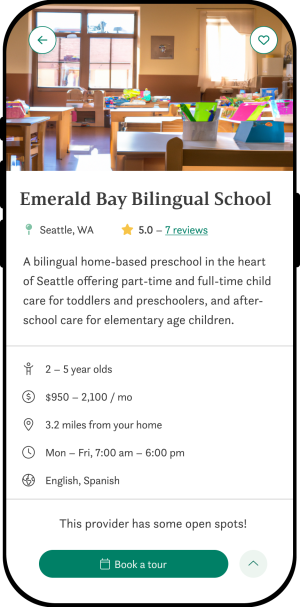
✅ Browse & compare real-time openings at over 200,000 licensed daycare and preschool programs.
✅ Find the perfect match— Add your care details, we’ll confirm openings and send you programs aligned with your unique needs and preferences.
✅ Book tours & secure enrollment quickly and with confidence.

phone with preview of daycare listing on UrbanSitter

UrbanSitter is home to the most trusted, flexible, and complete care solution—built for real life and every kind of family. UrbanSitter offers a full spectrum of care options, from babysitters and nannies to day care, preschool, pet care, senior care, and household services. More updates are coming soon as we continue to innovate and evolve what modern family care can look like.

Ready to start your search? Just log in to UrbanSitter and look for “Daycares & preschools” at the top of your Search screen—it’s easy to browse options nearby.

Wishing your job would help cover child care?

UrbanSitter Corporate Care gives employees access to backup care, daycares, preschools, senior care, pet care, and more—with many companies even helping cover the cost with subsidies.

Our benefits program is available nationwide. Share us with your HR team and let them know it’s a benefit worth looking into! Learn more here.

Child Care EIN Number Lookup: A Step-by-Step Guide

babysitter with toddler playing

When tax season rolls around, many parents scramble to do a child care EIN number lookup to report their daycare or preschool expenses for tax deductions. This EIN (Employer Identification Number) is crucial for tax deductions and claiming the Child and Dependent Care Credit. In this guide, we’ll show you how easy it is to perform a daycare EIN search, share helpful resources, and explain why choosing a licensed childcare provider is beneficial.

What is an EIN Number for Daycares and Child Care Providers?

An EIN is a unique number assigned by the IRS to identify businesses, including childcare centers, daycares, and preschools. It’s like a “tax ID” for the business. Parents need this number when claiming childcare expenses on their tax returns, as it allows the IRS to verify eligible deductions. If the EIN is missing from your receipts or invoices, you might need to conduct a daycare EIN search or daycare tax ID number lookup to get it.

How to Find a Child Care EIN Number

If you need an EIN number lookup for daycare or preschool, here are the steps you can take:

  1. Check Your Payment Receipts or Invoices

    • Many licensed childcare programs include their EIN number on billing documents, so start by reviewing any receipts or invoices you’ve received. This can be the quickest way to locate the daycare’s EIN.
  2. Ask the Child Care Provider Directly

    • Contact the daycare or preschool directly if the EIN isn’t on your paperwork. Let them know you need their tax ID number for your tax return. A daycare EIN search is a common request, especially around tax season, so they should be able to provide it.
  3. Check with Your State’s Office of Child Care

    • Every state has an Office of Child Care or a regional licensing office that manages child care provider licensing. Some states even provide public access to compliance history, licensing status, and other details about childcare operations, which may include EIN information for certain licensed providers. You can find your state’s childcare agency by visiting ChildCare.gov.
  4. Search Online Compliance or Licensing Databases

    • In many states, parents can use online databases to verify a childcare provider’s compliance history. These databases can be helpful if you want to check the quality of care at a particular daycare or preschool. For instance, California’s Child Care Licensing Division offers a search portal to find licensed childcare facilities and view their compliance records.
  5. Contact the IRS if Needed

    • If you can’t locate the EIN from your provider or state resources, the IRS might be able to help. Contact the IRS at 1-800-829-1040 for guidance on reporting childcare expenses without an EIN. They may advise on acceptable alternatives or other documentation you can use. Learn more from the IRS website.

Why Licensed Child Care Providers Are a Great Choice

Choosing a licensed childcare provider not only ensures regulatory compliance but also provides peace of mind for parents. Licensed providers meet specific safety standards and undergo regular inspections, which can be essential for protecting children from injury or other risks. Additionally, providers with a compliance history available to the public can offer transparency regarding their operational standards.

  • Safety First: Licensed facilities follow strict protocols to ensure children’s safety, including regular inspections.
  • Transparency: Licensing agencies maintain compliance records, which helps parents understand a provider’s history and standards.
  • Quality Assurance: Licensed providers are held to regulated standards so parents can feel confident their children are in a reliable, professional environment.

Related: Day Care Centers or In-Home Family Day Care?

ein number lookup for daycare

Common Questions About Daycare EIN Numbers

  • Do I need a daycare’s EIN for taxes?

  • What if my daycare doesn’t have an EIN?

    • Some providers, like family childcare homes, may not have an EIN if they operate as a sole proprietorship. In this case, they may use their Social Security Number (SSN) instead.
  • Where else can I look up the EIN number for a daycare?

    • Aside from contacting the provider directly, the IRS or your state’s child care licensing office may offer additional guidance. Always consult with a tax professional if you need help.

Conclusion and Final Tips

To find an EIN for a daycare or childcare provider doesn’t have to be a challenge. By checking receipts, asking the provider, or utilizing state resources, you can find the information you need for tax season. And remember, choosing a licensed provider offers peace of mind with added safety and transparency.

For more information, visit ChildCare.gov or consult a licensed tax professional if you have questions about a child care EIN number lookup for tax reporting.

Ready to explore your childcare options? Let UrbanSitter connect you with trusted local sitters and daycare providers that fit your family’s needs!

Please Note: UrbanSitter is a platform for families and caregivers to connect. We are not licensed tax professionals. We encourage individuals to reach out to a local tax professional for any questions about tax preparations. 

Is Preschool the Same as Daycare?

Is preschool the same as daycare?

When it comes to your child’s early education and care, you might wonder, is preschool the same as daycare? This is a common question among parents, especially when deciding between child care options like daycare programs and preschools. While both options serve young children, they have distinct qualities that might make one a better fit for your family. In this guide, we’ll break down the biggest differences between daycare and preschool so you can make an informed choice that best supports your child.

What is Daycare?

Daycare centers provide care and supervision to children, often from infancy through until they are ready to go to school. These centers provide a safe environment where children can play, learn basic social skills, and receive age-appropriate activities while their parents work or attend to other responsibilities.

What is Preschool?

Preschool, also known as nursery school, is an early childhood education program for children aged three to five. Its focus is on preparing children for kindergarten and elementary school. Compared to daycare, preschool emphasizes more structured learning, social development, and cognitive skills.

Daycare vs. Preschool: Key Differences

Settings and Locations

  • Daycare: You’ll often find daycare centers as stand-alone facilities, in community centers, or as small home-based daycares. They are designed with safe play areas and rooms for napping.
  • Preschool: Preschools are either stand-alone facilities or affiliated with an elementary school, community center, or church. The environment is often more structured and designed to support educational activities.

Typical Age Range of Children

  • Daycare: Daycare programs typically accommodate a wider age range, from infants as young as six weeks old to five years old.
  • Preschool: Preschool programs generally cater to children aged three to five years, focusing on the period just before they enter kindergarten.

Hours and Calendar Schedules

  • Daycare: Most daycares offer flexible hours to accommodate working parents, with full-day options available year-round. Many are open early in the morning until late in the evening.
  • Preschool: On the other hand, preschools often follow a more traditional academic calendar, similar to elementary schools. They usually operate during school hours only with options for half-days or half-weeks for children adjusting to attending school. Some preschools offer before and after school care to accommodate parents who work full-time.

Day-to-Day Structures

  • Daycare: The daily structure in daycare is usually more relaxed, focusing on providing a nurturing environment where children can engage in play, social interaction, and rest at the appropriate times.
  • Preschool: Preschools have a more organized daily routine, with planned lessons and activities to develop specific skills in preparation for kindergarten. The emphasis is typically on pre-academic skills and social development.

Daily Activities

  • Daycare: Activities in daycare settings tend to be more play-oriented, including free play, nap times, snack breaks, and basic learning activities.
  • Preschool: Preschool activities encourage cognitive development, social skills, language acquisition, and motor skills. These might include arts and crafts, reading sessions, and interactive games.

Curriculum and Learning Outcomes

  • Daycare: While some daycares offer educational content, their primary focus is child care service rather than formal learning. Learning is more incidental and child-led, designed to support overall and emotional development.
  • Preschool: On the other hand, preschools use a formal curriculum to prepare children for school. They focus on early literacy, numeracy, problem-solving, and social-emotional skills, setting a solid foundation for future academic success and school readiness.

Potty Training Expectations

  • Daycare: Daycares typically welcome children who are not yet potty trained and actively help with the training process as part of their care. Families may be expected to provide their own supply of diapers.
  • Preschool: Preschools generally require children to be potty trained before enrollment, as they focus on fostering more independence in daily routines.

Pricing and Federal Funding

  • Daycare: Daycare costs can vary widely, but many facilities offer sliding scale fees or subsidies based on family income. Federal and state funding may be available to help reduce the cost. Some daycares also offer sibling discounts or military discounts.
  • Preschool: While some preschools are private and tuition-based, many offer public or nonprofit options that receive government funding, making them more affordable for families. You can also ask about scholarships are available.

The ChildCare.gov website is a helpful resource to find child care financial assistance options in your state, including vouchers, certificates, subsidies, Head Start and Early Start programs, state-funded prekindergarten, and military child care financial assistance programs.

Staff Qualifications

  • Daycare: Daycare staff typically have certifications in childcare and basic first aid. Some may have early childhood education training, but it is not always required.
  • Preschool: Preschool teachers often earn degrees or receive specialized training in early childhood education, which ensures they are well-prepared to deliver a structured learning experience.

Related: Au Pair vs. Nanny vs. Daycare: Making the Right Choice

daycare vs preschool

Choosing the Right Option for Your Child

Deciding between daycare and preschool depends on your family’s needs and the child’s development stage. If you’re looking for a flexible child care program that provides a safe and caring environment, daycare might be the right fit. However, if your focus is on preparing your child for academic success and social development, a preschool setting could be more suitable.

Consider your child’s age, personality, and readiness for a structured environment. Also, think about your own schedule, the hours that work best for your family, and what you want your child to gain from the experience.

Ready to explore your child care options? Let UrbanSitter connect you with trusted local sitters and daycare providers that fit your family’s needs!

What Are the Worst and Best Ages to Start Daycare?

worst age to start daycare

As a parent, deciding the right age for daycare can be overwhelming. Whether you’re returning to work or exploring childcare options, the age at which your child starts daycare plays a big role in their emotional, social, and cognitive development. So, what are the worst and best ages to start daycare? In this guide, we’ll break it down to give you valuable insights and help you make the best choice for your child.

Why Does the Age to Start Daycare Matter?

The age at which your child starts daycare can affect their overall development, including social skills, motor skills, and emotional security. Different daycare programs cater to specific age groups, offering varying levels of quality care. According to the American Academy of Pediatrics (AAP), hitting developmental milestones is crucial, and starting daycare at the right time helps children adjust to routines, interact with peers, and progress in cognitive development.

The Best Ages to Start Daycare

6-12 Months: A Common Age to Start Daycare

  • Many parents choose to start daycare when their baby is between 6 to 12 months old. At this age, babies are often ready for more structured interactions, which can support early social development and motor skills.
  • Babies in this age range can benefit from engaging in activities like sign language and sensory play, and they may find comfort in new routines while still forming strong bonds with their primary caregivers. Some babies handle brief separations well at this stage, making the transition smoother for families.
  • However, every baby develops at their own pace, so it’s important to consider your child’s unique readiness.

18-24 Months: Another Great Time to Start Daycare

  • Toddlers aged 18-24 months are typically more independent and curious about their surroundings, making this a popular age to start daycare. At this developmental stage, toddlers expand their communication skills and learn through exploration.
  • In daycare, children of this age can interact with peers, helping foster social development and emotional maturity. High-quality daycare programs provide enriching activities to support language, motor skills, and problem-solving while offering a structured environment in which toddlers thrive.
  • Again, every child is different, so choosing this time depends on your child’s needs and development.

Related: Nanny vs. Daycare for Infants

daycare age range

The Worst Ages to Start Daycare

4-5 Months: A Potentially Difficult Time for Daycare

  • Starting daycare at 4-5 months can be challenging for some families. Babies at this tender age are still developing strong bonds with their caregivers and may experience separation anxiety. Their immune systems are also still developing, which could make them more susceptible to common daycare illnesses.
  • While some parents may need to begin daycare at this stage, looking for centers that offer personalized care and a nurturing, supportive environment can help ease the transition. It’s always important to ensure your baby’s needs are met, no matter when you start daycare.

3-4 Years: Adapting to Daycare Later

  • Starting daycare after 3 or 4 years old can sometimes present its own set of challenges. Children who haven’t experienced group settings might need additional time to adjust to new routines and interact with peers.
  • However, kids in this age group can still thrive in daycare with the proper support. It’s all about finding an environment where your child feels comfortable and can build the social skills needed to succeed in group settings.

What to Consider When Deciding on the Right Daycare Age

1. Developmental Readiness

  • One key factor in deciding when to start daycare is your child’s developmental readiness. Does your child seem comfortable in new environments? Are they beginning to develop social or language skills that could benefit from a daycare setting?
  • These are helpful signs to consider when thinking about whether your child is ready for daycare. It’s also important to check the quality of care at the daycare. Look for centers with a low child ratio, which ensures more individualized attention. A high-quality daycare can support your child’s emotional and cognitive development.

2. Family Needs and Schedule

  • Your family’s schedule is another important consideration. If you’re returning to work, you may need full-time daycare or a center with extended hours. Checking the daycare’s minimum age for daycare services is also helpful, especially if you need care for younger infants.
  • Balancing your family’s schedule with your child’s readiness is key. Finding a daycare that offers a safe environment and quality care helps ensure your child thrives, no matter when they start.

3. Daycare Policies and Programs

  • Daycares often have policies about the age groups they accept. Some may have a specific childcare age limit or start as early as 6 weeks, while others specialize in caring for toddlers or preschoolers.
  • Ensure the daycare’s programs align with your child’s current developmental stage. The program should meet your child’s needs, whether it’s early education, play-based learning, or other forms of developmental support.

Related: Essential Daycare Interview Questions and Tips

Conclusion: There’s No One-Size-Fits-All

There’s no one answer to the best age to start daycare. Each child is different, and the right time depends on the child’s developmental milestones and the family’s needs. Some babies thrive in daycare as early as 6 months, while others may do better starting closer to 2 years or older.

What matters most is finding a high-quality daycare with programs that meet your child’s needs in a supportive environment. Whether you’re sending your child at 6 months or 3 years, the key is to ensure they’re in a safe, nurturing environment that supports their holistic development.

Ready to explore your childcare options? Let UrbanSitter connect you with trusted local nannies and daycare providers that fit your family’s needs!