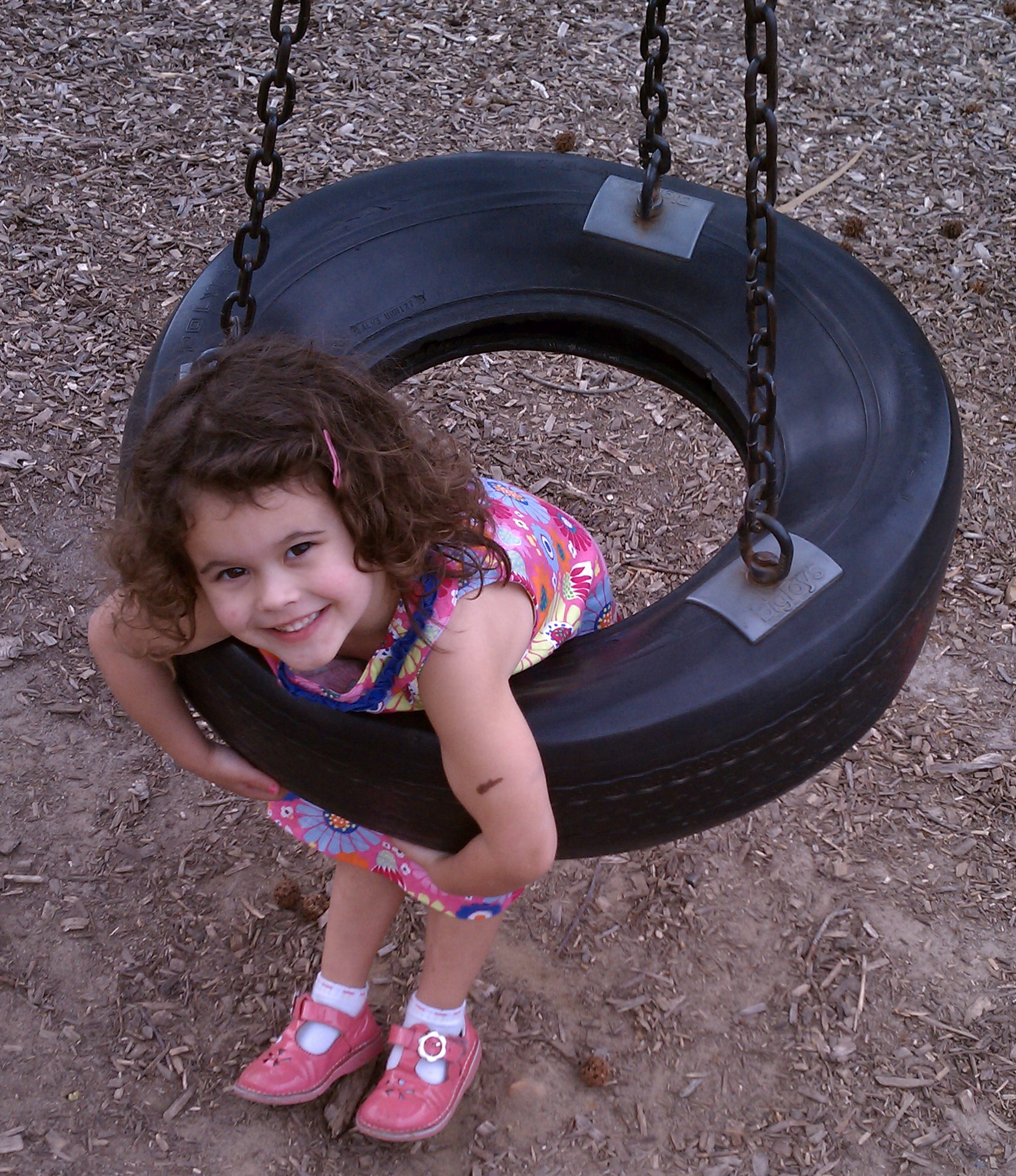
Are Your Children Getting Enough Sleep?

sweet sophieSleep is a hot topic with any parent, and for good reason. Read on to find out if your child is getting enough sleep, why it’s important, and what to do if your child isn’t as rested as she should be.

Guidelines

While sleep needs can vary greatly from child to child, there are science-based guidelines from experts to help you determine whether your kids are getting the sleep they need. Here’s what they say:

Infants

  • Birth–2 months need 12–18 hours
  • 3–11 months need 14–15 hours

Did you know newborns do not have an internal biological clock, so their sleep is not related to the daylight and nighttime cycles and there’s actually not much of a pattern at all? When the baby is about 6 weeks old, day-night confusion tends to stop and sleep patterns start to develop.

Toddlers/Children

  • 1–3 years need 12–14 hours
  • 3–5 years old need 11–13 hours
  • 5–10 years old need 10–11 hours

According to WebMD, most kids are still taking an afternoon nap at age 3 and most are not by age 5. (oh, how we bemoan the end of napping!)

Older Kids/Teens

  • 10-17 years need 8.5–9.5 hours

Incidentally, it’s recommended that adults get 8.5-9.5 hours of sleep per night. How are you doing?!

Why Getting Sufficient Sleep is Critical for Children

There’s no debate that getting enough sleep is critical to kids’ physical, mental and emotional well-being and development. It’s likely no surprise to any parent that kids need sleep to do their best at school and at play, and to get along with friends and family members. But, sleep might be even important than you thought. Check out these key findings pulled from some recent studies on sleep:

  • A Finnish study of families with children aged 5-6 years found that kids who slept less than 9 hours each day had 3-5 times the odds of developing attention problems, behavior problems, and other psychiatric symptoms (Paavonen et al, 2009).
  • A recent study tracked the development of obesity in young children, recording the body weights and sleep habits of kids under five years of age. They measured the kids again five years later, and found a link between sleep loss and obesity. Kids who had less than 10 hours of nighttime sleep at the beginning of the study were twice as likely to become overweight or obese later on (Bell and Zimmerman, 2010).
  • A 2012 study divided elementary school-age children into two groups, having one group go to bed about 30 minutes earlier and the second group stay up later, getting almost an hour less sleep than recommended. Teachers, who did not know which group students were placed, found that students who were sleep-deprived not only seemed overly tired, but were more impulsive and irritable than their well-rested classmates. They were quick to cry, lose their tempers or get frustrated. The children who got plenty of sleep had a better handle on their emotions and were more alert in class (Gruber, 2012).

How to Build Better Sleep Habits for Your Family

  • Use the above guidelines to establish bedtimes and stick to them. Routine is key.
  • Don’t veer too much from weekday bedtimes on the weekends. It throws off sleep cycles.
  • Create soothing bedtime routines that signal an end to the day and help busy bodies and minds to relax. A consistent routine such as bath, teeth brushing, and bedtime story will go a long way in eliminating bedtime battles.
  • Experts advise kids to get at least 60 minutes of active play each day to promote sound sleep.
  • Eliminate electronics before bedtime.
  • If your child is hungry right before bed, allow them a small snack such as a banana or small glass of milk, but avoid sugary sweets or heavy foods.

Don’t forget to review bedtime schedules when you book a babysitter for the evening.

Entertaining and Educational Ways to Celebrate Earth Day

meg_son_grass

No matter where you live on the planet, April 22nd is Earth Day.

Don’t let the day pass you by without taking advantage of the opportunity to celebrate and help your family do its part in protecting our planet.  Here are fun ways to get the kids involved, build lasting memories and start healthy habits, too:

  • Maybe an obvious choice, but a certainly one not to miss – plant a tree, a small garden, even a few seeds for a burst of color in a pot. Follow these helpful tips from Kids F.A.C.E if you are new to planting a tree:

1. Dig a hole as deep as the rootball and twice as wide.

2. Check to see if the soil around the hole is too hard – if it is, loosen it up a bit with the shovel.

3. Remove the container from the rootball. (The roots are like the tree’s blood vessels and they work best if they are not all twisted and knotted up, so you might need to straighten them out if they are circling around after having grown in the container.

4. Place the tree in the hole, making sure the soil is at the same level on the tree as when the tree grew in the garden center. If your tree has burlap around the rootball, place the tree in the hole and then carefully untie the burlap. Leave the burlap lying in the bottom of the hole (this is Okay – the burlap will simply turn into organic matter over a period of time).

5. Fill in around the rootball with soil and pack the soil with your hands and feet to make sure that there are no air pockets.

6. Make a little dam around the base of the tree as wide as the hole with left over soil or grass clumps to hold in the water.

7. Give your new tree a good soaking of water to help settle it into its new home.

Trees to Breathe
Trees to Breathe
  • Brainstorm with your kids for ideas on how you can do a better job living green. Commit to just one small change or a whole list of intentions, and stick to it. Ideas: Change to CFL light bulbs in your home, kick the paper towel habit, or swear off individually packaged snacks.
  • Build your own compost bin  or buy a rainwater collection barrel for your home. Help kids feel they are part of the action by having them commit to simple acts such as turning off the water when they brush their teeth, using the same cup throughout the day so there is less to wash, and helping to water houseplants using leftover water from their water bottles brought home from school.
  • Get the whole crew spring cleaning with all-natural cleaning products that are safe for little helpers and their environment. A simple mix of one part white vinegar and one part water will do the trick for most general surface cleaning. You can add a few drops of tea tree oil, lavender or lemon essential oil to add a fresh scent. Fill reusable spray bottles with the mix and set your crew loose.
  • Have a “Lorax” Party. It is, after all, a celebration day. Pull the shades and have a Lorax movie showing, complete with themed snacks and recycled decorations. Smita from The Party Wall created an incredible Lorax-themed party, and took lots of photos to prove it. Take a look for some cool inspiration and get printables, too.
Lorax Party by The Party Wall
  • Park the family car and rely on your own two feet or public transportation to get you to and from today or better yet, for the rest of the week. If your commutes are too long or public transportation isn’t available, coordinate a carpool with other families to take at least car off the roads. Your kids will love the switch-up, as much as the environment will.
  • Recruit the neighborhood kids to join you to clean up a favorite park, beach, school yard or other public space.
  • Simply spend a family day outdoors. Maybe you can’t do it mid-week, but commit to spending a weekend day totally and completely outdoors. Take a family bike ride, spend time at the playground, visit local botanical gardens or take a hike. Dine al fresco, too. We all know how much kids love picnics.

IMAG0037_2

Find babysitters your friends know and love at UrbanSitter.

Simple Family Dinners for Busy Nights

little chefIf your house is anything like ours, the days start to get even more jam-packed as the weather starts to warm up.

To help you spend as little, precious Spring-time in the kitchen and yet still manage to fill your family’s bellies with good food, we’ve compiled a list:

10 super simple, kid-friendly dinners sure to please everyone (we’ve even included a new meal for the baby!):

  • White Bean Stew with Bacon and Vegetables – There are plenty of chilly Spring days, and when it’s cold outside, there’s nothing better than a warm bowl of goodness to end the day. Put a pot of this creamy stew on and head outside to play with the kids while it cooks. It’s a mild stew, like a warm blanket on a cold day, and perfect for dipping crusty, hearty bread.

    Creamy White Bean Stew from The Cozy Apron
    Creamy White Bean Stew from The Cozy Apron
  • Black Bean Nacho Pizza – Turning anything into pizza is a sure-fire way to get your kids to chow down. You can make this simple and quick by using a store-bought pizza crust or dough (pick up a ball of whole wheat dough from Trader Joe’s).
  • One-Pot Pasta Dinner – Leave it to Martha to show us how to a delicious meal without breaking a sweat. Follow her formula for making the most of your pot and your time, such as cooking eggs or vegetables in the water with the pasta, and making a quick sauce while the pasta drains.
  • Quick and Easy Pork Fried Rice – So much better than take-out, but just as quick. You can leave out the pork if you prefer to go vegetarian, and even amp it up with more veggies.
  • Parmesan Chicken Cutlets – Oh how we drool for chicken cutlets, plain and simple or fancied up. This recipe creates a nice crispy crust on an all-time favorite. If you must, cut the cutlets into small chunks, and voila, you have nuggets.
  • Mini Grilled Cheese Sandwiches with Tomato Soup – Turn grilled cheese sammies into hearts (a cookie cutter, of course) and you get big points with your kids.  Add a bowl of creamy tomato soup (Whole Foods has a tasty one in a carton) for dunking, and you’ve got a respectable meal on the table in minutes.
  • Braised Pulled Pork with Apple Cabbage Slaw – Sounds too complicated to be called quick and easy, right? Throw it in a slow cooker after you drop the kids at school, and sometime during the day whip up the crunchy veggie slaw.
  • Chicken Pot Pie Cupcakes by Quick Dish Tablespoon
    Chicken Pot Pie Cupcakes by Quick Dish Tablespoon

    Chicken Pot Pie Cupcakes – Imagine the look on your kids’ little faces when you announce that you’re having cupcakes for dinner. Whoever invented the muffin tin is a genius. This is an awesome meal for several reasons – it’s made with short-cut ingredients, it’s good to make-ahead and if need be, it’s mobile. A yummy meal-on-the-go.

  • Quick Fish Tacos – Known to convert even the pickiest, non-fish eaters, these tacos remind ya that summer is on the way.
  • Southwestern Pasta Salad – Good for toddlers and big kids, too. No need to heat this well-balanced meal.
Sweet Potato Carrot Soup  by Spoonful
Sweet Potato Carrot Soup by Spoonful

And, we haven’t forgotten about the littlest member of your family. Give’em a taste of something completely new.  Sweet Potato Carrot Soup with Cheddar makes the most of fresh, early Spring vegetables, and is so delicious, you’ll want to make enough for the whole family family.

Bon Appétit!

Did you know some babysitters will cook dinner for the kids? Log in to UrbanSitter and look for “Cooking” listed under the “Other Services” section of a babysitter’s profile.

5 Things to Consider Before Choosing a Summer Camp for Your Kids

summer camp

Options are seemingly endless for summer day camps and mini-camps for kids as young as toddlers. With camp registrations underway and deadlines quickly approaching, it’s tempting to jump at the first cool camp you come across, just to make sure you secure a spot.

Do yourself and your kids a favor by taking a few minutes to consider these 5 factors before you choose. Not only will it make it easier to decide which works best for your child and your family, it’ll save you a whole lot of money!

Things to consider:

1. Is your child happiest indoors or outside?

Sending a homebody, who finds Zen in the A/C with a stash of art supplies, to “tough it out” in the Great Outdoors might make for (at the very least) unpleasant drop-offs for you both. For years to come, you’ll hear about the number of mosquito bites she suffered! The reverse is just as true. Some kids would choose to be outside even in the dead of winter. If one of them belongs to you, indoor camp probably isn’t the best bang for your buck.

2. Your child’s interests.

It might be obvious that a week of karate isn’t a fit for your princess, but give some thought to whether your child would have more fun with active play or something quieter. Traditional summer camps and sports camps are great for burning energy, but some kids have more fun with more low-key activities, such as crafting, science, learning a foreign language, music or cooking. If you want to get them moving indoors, check out local options for dance, gymnastics/tumbling or theater. Need something to satisfy the child who loves trying new things, check out this list of really cool, not-so-ordinary camp options for NYC area families. Even if you don’t live in NYC, the list might give you a few options to look at finding close to home. You’ll score big points with your adventure-lover.

3. Your schedule.

Little kid summer camps seem to fall into one of a few scheduling categories: they provide all-day care for your child, are a half-day option (mornings or afternoons), or are designed to cover the time after school or daycare and before you get home from work. Decide which you need, and if you have some flexibility with the decision, think about what works best for your child. Will naptime be affected? Is a full day away from home a bit too much for his attention span and stamina?

4. Can you recruit a friend to join and carpool?

Most kids are thrilled to have a buddy join them at camp. It makes it infinitely more fun. And it’s wonderful to have another parent or sitter to share the carpooling. If your car is big enough or you can manage multiple children on public transportation, get a handful of kids to go together. Better yet, coordinate with your pals to book a babysitter who can take care of transportation for the whole group.

5. Cost.

We all knew kids aren’t cheap, but who knew summer camps are so dang expensive!? Yikes! Unless your budget is endless, you need to factor costs into your decision before sending your four-year-old to a few weeks of half-day camps that amounts to the cost of a really great get-away weekend with your spouse. If you’re looking at full-day options for the entire summer, the decision is even costlier. Costs in the SF Bay Area are roughly $5,000 for a 10-week program.

If you’ve given these factors thought and decided summer camp might not work this year, why not hire a babysitter to entertain the kids and give you a regularly scheduled break? There are plenty who would love to help you – log onto UrbanSitter.

Tips for Keeping Your Family Healthy This Flu Season

It’s that time of year when it seems nearly everyone is sneezing, coughing and wiping a runny nose. This is especially true if you have children or around children frequently. How do you keep your family healthy when the odds certainly seem stacked against you?

Try practicing these helpful tips for keeping everyone well this flu season:

  • Wash hands frequently. Young children should be taught to wash their hands thoroughly with soap and warm water. Many teachers and daycare providers have them sing a short song, such as “Happy Birthday” sung twice, to show them just how long to scrub. It’s important to wash hands throughout the day, especially after using the bathroom, before meals or snacks, and when returning home. For babies, clean their hands throughout the day with alcohol-free wipes.
  • Teach kids to keep their hands away from their mouths and noses, especially until they can wash them properly.
  •  Create snacks and meals with lots of whole grains, dark leafy greens (Homemade Kale Chips are awesome!), and foods rich in antioxidants, such as berries. Tea is also a great disease fighter. Serve it to your kids warm with a bit of milk and honey.
  • Make sure the whole family gets plenty of sleep. It’s often the best medicine, as it allows our bodies to recover and it strengthens our immune systems. Experts recommend 14 to 15 hours of sleep per day for infants, 12 to 14 for toddlers, 11 to 13 for preschoolers and 10 to 11 for school-age kids.
  • Keep the fluids flowing to keep hydrated and loosen congestion. Dry winter air, indoor and out, can dry out the lining of your nasal passages, creating tiny cracks that make you susceptible to infection. Drinking water can help moisten those membranes.
  • Fight the spread of germs by regularly wiping down the areas of your home shown to harbor the most germs, such as refrigerator handles, remote controls, and doorknobs.
  • Arm you family with flu shots. Doctors recommend that everyone over the age of six months get a flu shot. Since the flu peaks in January or February and can extend into March or April, it’s not too late to get one, if you haven’t already.
  • Make a pot of soup. Research shows that the ingredients in chicken soup actually make you feel better thanks to their anti-inflammatory properties. The steam also helps by clearing your sinuses. We love this recipe from Padma Lakshmi that puts a flavorful twist on traditional chicken soup — Indian-Thai Chicken Soup with Butternut Squash and Spinach.
  • Know when to see a doctor. The symptoms of colds and the flu are often confused. Watch for signs of the flu, which may be the same as those of a cold, though more severe. See a doctor within 48 hours of the onset of the flu for a prescription for flu-fighting TamiFlu. Flu symptoms include:
    • high fever
    • headache
    • cough
    • sore throat
    • runny nose
    • body aches
    • tiredness
    • vomiting and diarrhea (especially in younger children)
  • Teach kids not to share drinks or food. It’s good practice to follow this rule even within your home.
  • Keep moving, regardless of the weather. It’s easy to retreat to the couch and resort to a movie for afternoon entertainment when it’s cold outside. Instead, bundle up your kids and get the gang outside for a brisk walk or game of Freeze Tag.

Have a child home sick or are you down-and-out with a cold yourself, despite your best efforts to ward off germs? Remember, UrbanSitter is there when you need a back-up babysitter!

Your Turn for Snack Duty!

Add up all the school classrooms and sport’s teams your children participate in and you’ll see that it’s likely you’ll be handed snack duty more than a few times.

Bringing a snack for the class or the team to enjoy at half-time is a chance to help out the teacher or coach, and to provide kids with a tasty pick-me-up.

Before you choose a snack to share, there are a few things to keep in mind:

  • Homemade is great for avoiding preservatives and other ingredients we either can’t pronounce or would rather not see our children consume, but your child’s school or team may have a policy against bringing homemade snacks. Some require snacks be store bought and pre-packaged. Make sure you check the rules.
  • If you’re bringing a half-time game snack, keep in mind your biggest objective is to keep the players hydrated and fueled. Water is key, as is avoiding overly sugary, salty or fatty foods.
  • Parents of kids with allergies often send a separate snack for their kids, but it’s nice to be considerate and not leave anyone out when choosing a group snack. Play it safe and ask parents if anyone has an allergy you should be aware of and check labels to accommodate them.
  • Younger siblings often attend their big brother or sister’s game, and love to join in on the snack. It’s nice to bring extras. Their parents will greatly appreciate not having to keep little ones away from the tasty temptations.
  • Keep it simple. Snacks are often eaten standing up and at lighting speed. Nothing fussy.

So what do you bring? Here’s a helpful round up of tasty, healthy food  to feed a crowd:

  • Save your wallet and the planet by foregoing juice boxes and bottles of water. Instead, bring a large jug of water or a healthy sports drink made from a mix, and don’t forget a stack of reusable cups.
  • Fresh fruit. Go beyond orange slices (although they are popular for a reason!). Think apples, Cuties, grapes and bananas, or make it fun by serving frozen fruit cubes or melon balls on skewers.
  • Yogurt sticks. Choose the ones without high fructose corn syrup and other nasty stuff, and freeze them to turn them into satisfying popsicles.
  • Air-popped popcorn served in brown paper bags.
  • String cheese sticks.
  • Individual serving bags of pretzels, Pirate Booty or Apple Chips.
  • Mini boxes or raisins or craisins.
  • Fruit leathers or twists made with 100 percent fruit.
  • Unsweetened applesauce in the pouches.
  • Jello cups.
  • Mini cinnamon raisin or whole-grain  bagels.
  • Popsicles – packed in a well-insulated cooler.
  • Healthy granola bars or other kid-sized energy bars.

Need a little extra help with snack duty? Hire a sitter to help at UrbanSitter.com.

Go Outside! 10 Fun Activities to Get Your Kids Moving Outdoors

Now that your kids are back in school and likely spending a sizable part of their day in after-school activities or riding along in carpool, it’s important to make time to get outside to play.

Experts recommend toddlers receive an hour of daily physical play that includes time outdoors. Older children, ranging from preschool to school age, will benefit from at least an hour of physical play, which can be outdoors when weather cooperates.

Before we reset the clocks and lose an hour of  precious daylight,  get out and enjoy some fresh air and late summer sunshine with your kids. It’ll make everyone feel better inside and out!

Here are 10 fun activities to get them moving outside:

  1. Take a family nature walk or hike. Watch for signs and evidence of the changing season.
  2. Build an outside obstacle course for the whole crew.
  3. Learn a new jump rope song. Remember Miss Mary Mac?!
  4. Go fishing.
  5. Explore a new bike path.  Consider investing in a mounted child or infant carrier seat for your bike, if you don’t already have one. That way, you won’t need to leave anyone behind!
  6.  Try roller blading.
  7. Create your own map on the sidewalk or driveway with chalk.
  8. Play soccer. Your family vs. the neighbors.
  9. Have a race.
  10. Rent an inflatable jumpy house for a couple of hours. Get a few families to pitch in, and make it a party!

Don’t have time to get outside with your kids? Bet your sitter would love the chance! Find & book babysitters instantly on UrbanSitter.

12 Ways to Avoid the Summer Junk Food Trap

Summer gives us a chance as parents to loosen up, take a break from routines and schedules, and live a little more spontaneously with our kids. But, according to a study recently released from the University of Texas, the lack of routine, decrease in activities, and disruptions in the way we eat during the summer are to blame for our kids gaining weight 2-3 times faster than they do during the school year.

There are simple ways to keep your family’s health and nutrition on track and still enjoy the carefree spirit of summer living:

1. Keep a consistent meal schedule, much like you do during the school year. Kids should eat three square meals with two snacks in between, and they should know that mindless eating throughout the day isn’t smart.

2. Rather than giving into the ease of convenience snacks that are often processed and loaded with sugar, transform ordinary foods into special summery treats by freezing them. Try frozen grapes, cups or sticks of yogurt, homemade juice pops, and fruit smoothies.

3. Prepare and keep meals in the fridge for the sitter to feed your kids or for you to pull out instead of hitting the fast food drive-through on your way home from the pool. Having simple meals ready to go means you won’t have to cut a fun day short so you can rush home to make dinner.

4. Teach your kids about balance. It’s okay to have an ice cream sundae, as long as it’s balanced with healthier choices and plenty of exercise.

5. Limit sedentary activities like TV and electronics, and get everyone active with activities that take advantage of summertime weather. Get outside to ride bikes, go swimming, and for the little ones take the ride-ons and push toys for a spin.

6. Together, search your own kitchen for foods to make an easy, healthy picnic to take on a day-trip or eat in your own backyard. You can build a meal without turning on the stove or pushing buttons on the microwave.

7. Give everyone in your family a personalized water bottle to stay hydrated and stay away from the sugary juices, sodas and energy drinks. Research shows that even very active kids never need sports or energy drinks.

8. Sign your kids up for mini sports camps to stay active and have fun.

9. Get your kids involved with good food. Take them on a trip to the farmer’s market and use the outing as an opportunity to talk about healthy choices. Show them the beautiful array of local produce and let them choose some to try at home.

10. Start a garden – even a small container garden for the patio or windowsill – to get kids involved with growing and caring for fruits and vegetables.

11. Research proves kids are more likely to eat foods they help select and prepare. Let your kids help make a grocery list, find items in the store, and help prepare a meal by cleaning, prepping and cooking with you. Make the tasks age-appropriate so they don’t get injured or overwhelmed.

12. Find indoor activities to keep your family active when it’s too hot to head outside. Living room dance parties work just as well as indoor inflatable play centers, and are even more fun if friends are invited to join in on the fun!

Search & find sitters who will help cook healthy and nutritious meals for your children on UrbanSitter.